The useful question is not simply whether a roof is old. It is which action fits the evidence: address a limited issue, monitor a sound roof or plan replacement. Use the assessment to understand that choice before committing to a scope.
Separate an immediate concern from a planned replacement
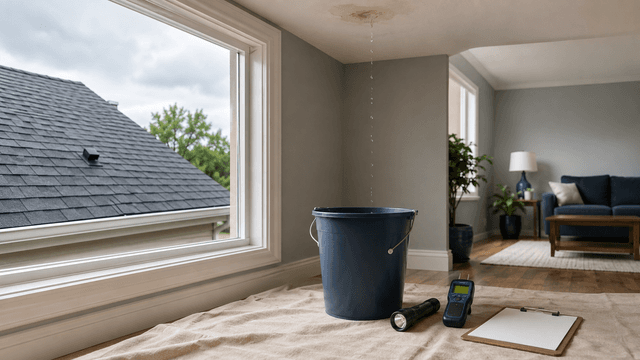
An active leak calls for timely attention. Record the affected room, when water appeared and any related repair history. Keep people away from an apparent structural hazard and leave roof access to qualified professionals.
Section takeaway: Address the immediate concern while assessing the longer-term decision.
Ask how widespread the findings are
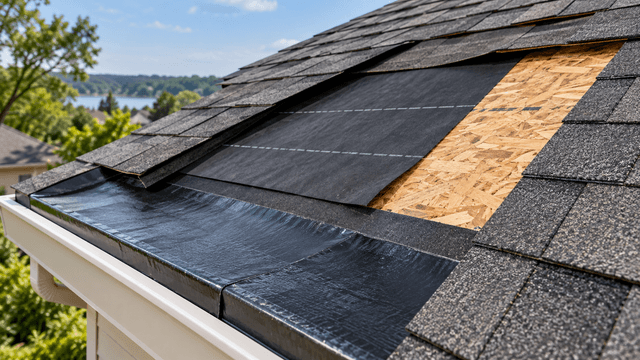
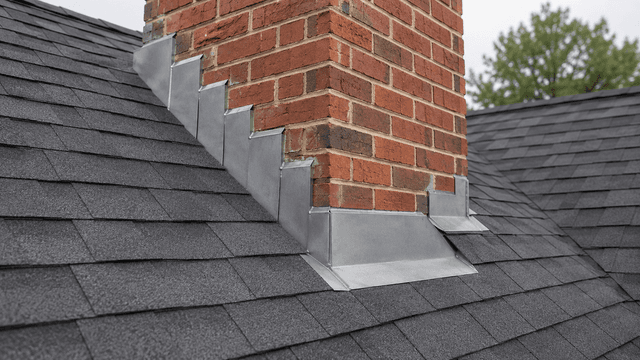
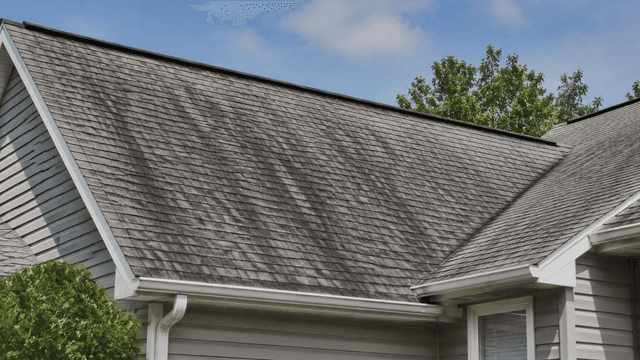
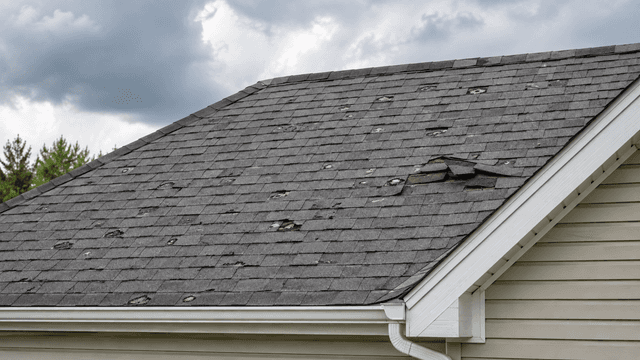
Have the contractor identify the affected slopes, transitions and components. Ask whether the problem is concentrated in one detail or reflects deterioration across several areas. Request photos and an explanation of any areas that could not be inspected.
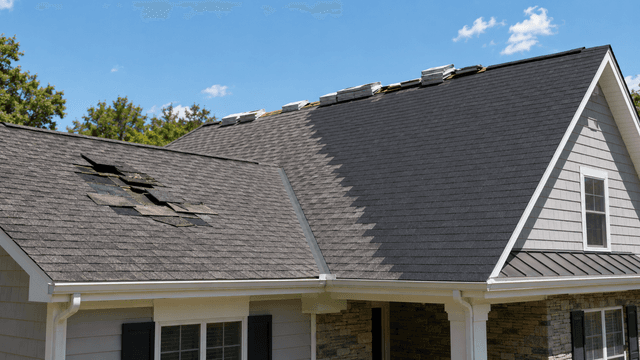
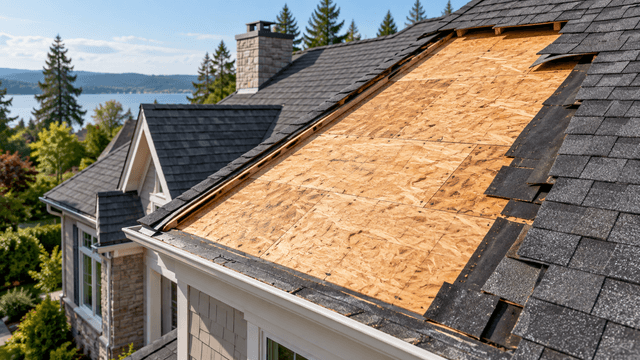
A porch, addition or garage roof may have a different installation date and condition. Do not let one failed section automatically define the treatment for every roof on the property. Equally, ask whether a limited repair would leave broader problems unresolved.
Section takeaway: Ask whether findings are isolated or distributed across the roof.
Use Connecticut winter observations as evidence
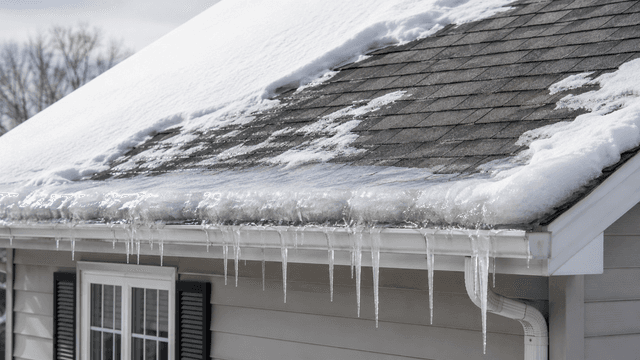
Explain whether concerns recur during rain, snowmelt or colder weather. That timing can help frame the investigation. A winter stain should not automatically be labeled worn-out shingles without examining the relevant roof details and attic conditions.
Section takeaway: Use seasonal symptoms as evidence that needs interpretation.
Require an explanation of the repair alternative
If replacement is recommended, ask why further repair is less appropriate for the findings. Discuss the condition around the repair area, the history of previous work and what remains uncertain. The answer should relate to the home rather than a generic age cutoff.
If repair is recommended, ask what it includes, what it leaves outside the scope and when the roof should be reassessed. A useful repair recommendation includes a follow-up plan rather than an unsupported prediction of how many years the entire roof has left.
Section takeaway: Request the reason repair or replacement fits the findings.
Turn the decision into a written plan
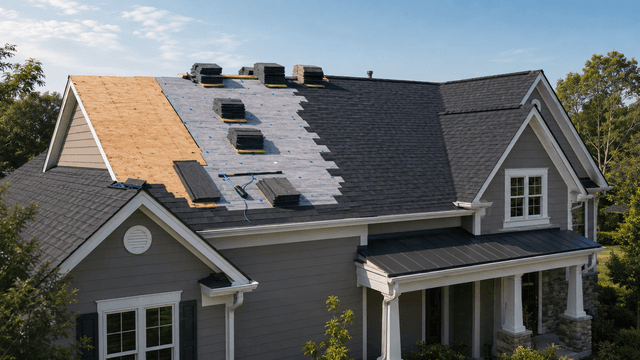
For replacement, review included roof areas, removal, system components, access and the method for approving concealed repairs. Confirm project-specific local requirements and who is responsible for the necessary applications and inspections.
Continue with the related Learning Center guide and the Cheshire roofing service page. Bring the questions specific to the home to a roofing consultation.
Sources: Department of Energy cold-climate eaves guidance; GAF residential roofing guidance.
Section takeaway: Put the scope, responsibilities and remaining questions in writing.