Quick answer: Gutters collect runoff from the roof and direct it through downspouts to a safer discharge area. When the system is clear, properly pitched and securely attached, it helps protect the roof edge, fascia, siding, landscaping and foundation from concentrated water.
A roof does more than keep rain from entering the living space. It also has to move water away from the home in a controlled way. Gutters and downspouts complete that drainage path after runoff reaches the roof edge.
When the system is clogged, damaged or poorly aligned, water may overflow at the eaves, run down exterior walls or collect near the foundation. Recognizing the early signs of a drainage problem can help prevent a relatively small maintenance issue from affecting several parts of the home.
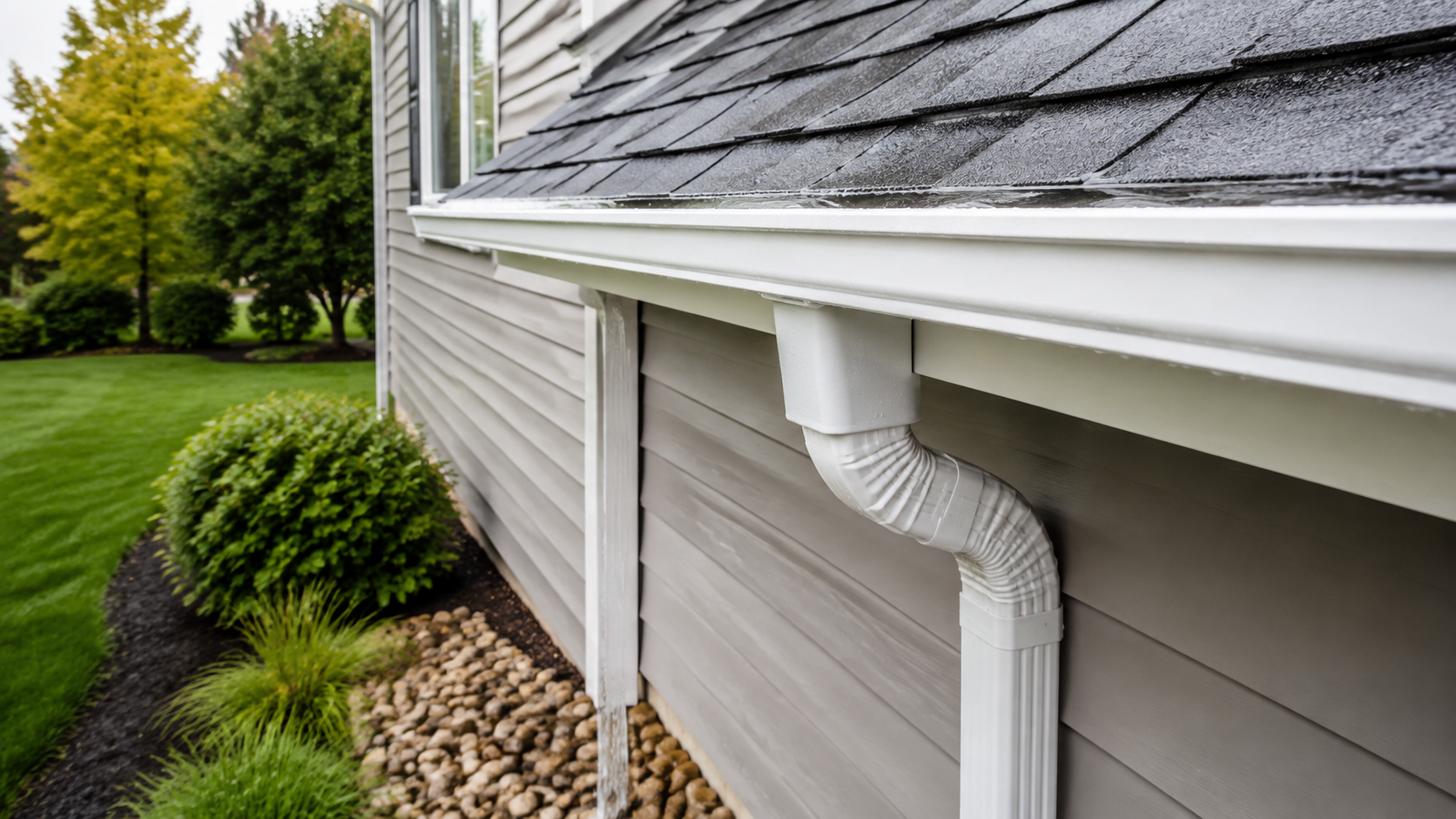
How a gutter system manages roof runoff
The roof sheds water
Roofing materials and flashing direct rain and melting snow toward the eaves.
The gutters collect it
Gutters catch runoff at the roof edge and carry it toward designated outlets.
Downspouts discharge it
Downspouts move water toward an appropriate drainage area away from vulnerable parts of the home.
Every part of this path matters. A clear gutter cannot perform properly if its pitch is incorrect, the outlet is blocked or the downspout releases water beside the foundation.
What parts of the home do gutters protect?
Roof edges and eaves
Controlled drainage limits the amount of water that remains at or repeatedly spills over the roof edge. This helps protect the lower roofing materials and the area where the roof, drip edge and gutter meet.
Fascia and soffits
Overflowing water and loose gutter attachments may expose fascia and soffit materials to repeated moisture. Staining, peeling paint, softness or visible deterioration deserve attention.
Siding and exterior finishes
Water that spills behind or over a gutter may run down siding, trim, windows and doors. Repeated exposure can leave stains and contribute to deterioration in vulnerable materials.
Foundation and surrounding soil
Downspouts help move concentrated runoff away from the base of the home. Poor discharge can contribute to soil erosion, pooling water and repeated moisture near foundation walls.
Landscaping and walkways
Uncontrolled roof runoff can wash out soil, damage planting beds and create wet or icy areas near steps and walkways.
Basements and lower levels
Gutters cannot correct every basement moisture problem, but directing roof runoff away from the foundation reduces one source of concentrated water beside the home.
Common gutter and downspout problems
- Debris buildup: Leaves, pine needles, seed pods and roofing granules can restrict water flow.
- Blocked downspouts: A clear-looking gutter may still overflow when the outlet or downspout is obstructed.
- Improper pitch: Gutters need enough slope to move water toward their outlets without leaving persistent standing water.
- Loose attachment: Fasteners and hangers can loosen, causing sections to sag or pull away from the fascia.
- Leaking joints or end caps: Separated seams can release water before it reaches the downspout.
- Insufficient capacity: Some systems may be overwhelmed by the roof area, roof design or intensity of the rainfall they receive.
- Poor discharge: A downspout that releases water against the foundation transfers the problem instead of completing the drainage path.
Signs your gutters may not be working properly
| What you notice | What it may indicate |
|---|---|
| Water spilling over the edge | Debris, a blocked outlet, poor pitch, insufficient capacity or unusually intense rainfall. |
| Standing water | Improper slope, a sagging section or restricted flow toward the downspout. |
| Gutters pulling away | Loose or damaged fasteners, excess debris weight, ice or deterioration of the supporting fascia. |
| Stained fascia or siding | Overflow, leakage behind the gutter, damaged roof-edge details or recurring splashback. |
| Pooling near the foundation | A disconnected, blocked, damaged or poorly positioned downspout discharge. |
| Interior water staining | A drainage issue may be involved, but the full roof and water-entry path should be inspected. |
Can clogged gutters cause roof leaks?
Clogged gutters can contribute to moisture problems at the roof edge. When runoff cannot move through the gutter and downspout system, it may overflow or remain near the eaves. Damaged drip edge, fascia, underlayment or nearby roofing materials can make the area more vulnerable.
However, the nearest gutter is not automatically the source of an interior stain. Water may enter through shingles, flashing, roof penetrations or another detail before traveling across decking or framing. If water has entered the home, follow the immediate safety steps in what to do when your roof is leaking and have the source traced.
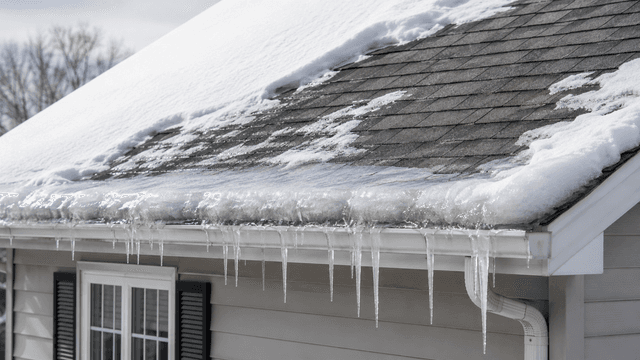
Cold-weather distinction: Clogged gutters may worsen drainage and ice buildup, but ice dams usually involve uneven roof temperatures, melting snow and refreezing near colder eaves. Clearing a gutter alone may not correct the underlying roof or attic condition.
How often should gutters be checked?
There is no single maintenance schedule that fits every home. The right frequency depends on nearby trees, roof design, weather, debris exposure and whether the system has gutter guards.
Useful times to check the system from a safe location include:
- After heavy leaf or seed drop
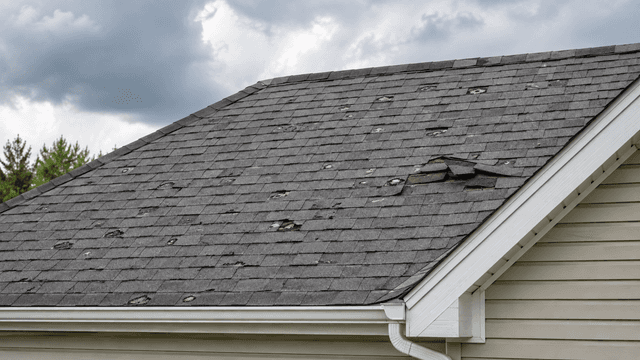
- After severe wind, hail or falling debris
- Before freezing weather in colder climates
- During rainfall, when overflow and poor discharge are easier to observe
- When staining, erosion, standing water or loose sections appear
Safety boundary: Do not climb onto the roof or lean from an unstable ladder to inspect or clean gutters. Wet surfaces, overhead electrical lines, steep roof edges and damaged attachments create serious hazards. Use a qualified professional when the system cannot be accessed safely.
Do gutter guards eliminate maintenance?
Gutter guards may reduce the amount or size of debris entering the gutter, but they do not make the drainage system maintenance-free. Leaves and organic material can collect on top of guards, smaller debris may still enter and downspouts can still become blocked.
The guards, gutter channels, outlets, seams, hangers and discharge areas should remain part of routine exterior checks.
When gutters need repair or replacement
A localized repair may fit when:
- One joint, end cap or attachment point has failed.
- The remaining gutter is securely attached and properly pitched.
- Corrosion or physical damage is limited.
- The downspout and discharge path can be restored reliably.
Replacement may be considered when:
- Several sections are sagging, leaking or pulling away.
- Corrosion or deterioration is widespread.
- The current system repeatedly overflows despite being clear.
- The size, layout or discharge design does not manage runoff effectively.
Why gutters should be inspected with the roof
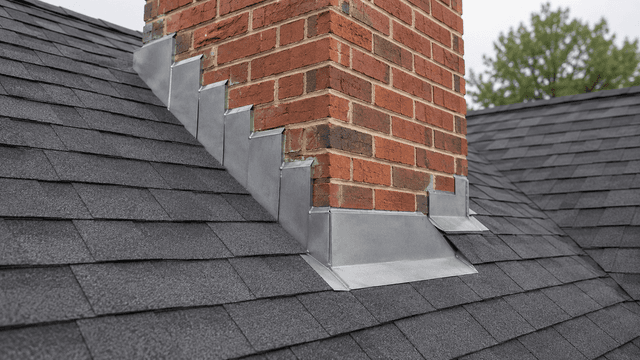
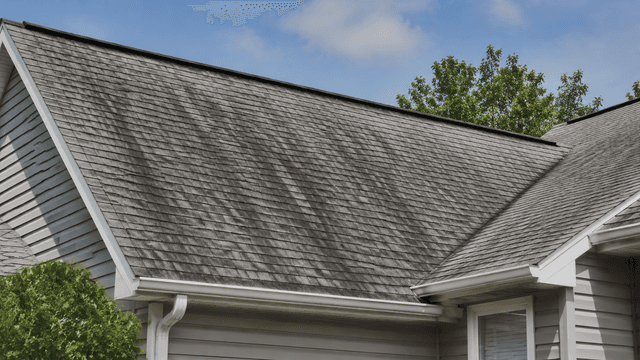
The roof covering, drip edge, fascia, gutters and downspouts operate as one water-management path. Looking at only one component may miss the condition that is disrupting the system.
A professional roof inspection can evaluate gutter alignment, visible clogs, roof-edge details, drainage patterns and signs of moisture damage alongside the shingles, flashing and other roofing components.
This is especially important when the home has recurring overflow, staining near the eaves or signs that may overlap with the broader warning signs of roof deterioration.
Protect the complete drainage path
A dependable gutter system does not simply move water off the roof. It controls where that water travels next. Gutters should remain clear and properly aligned, downspouts should remain connected and the discharge area should move runoff away from vulnerable parts of the home.
When overflow, staining, standing water or interior moisture appears, an inspection can determine whether the problem is limited to the gutter system or connected to the roof edge, flashing, fascia or a broader roofing condition.