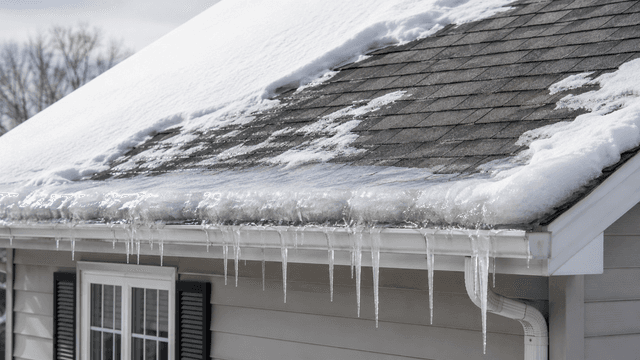
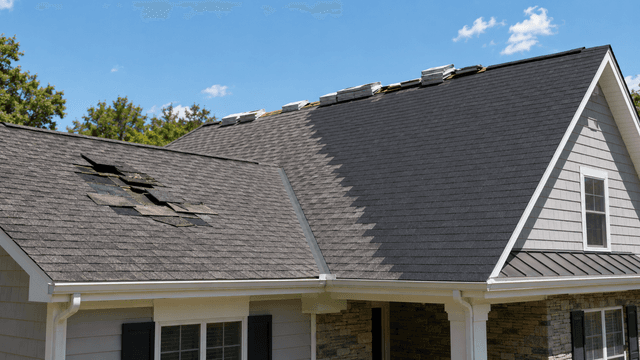
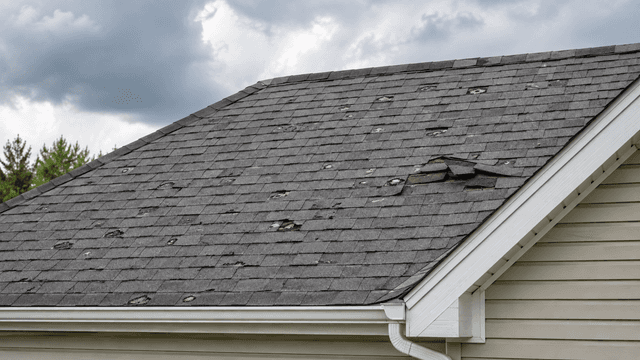
A Maryland weather event can leave a homeowner with scattered observations: material on the ground, a new ceiling mark or a gutter that overflowed. A useful roof assessment connects those observations with specific components and explains what needs attention now, what needs further investigation and what can be monitored.
Keep the first observations factual
From a safe position, record visible changes and the timing of any indoor water. Note the roof section involved if it is identifiable. Keep installation and repair records available so the assessor can compare new concerns with the roof’s existing history.
Section takeaway: Record observations safely and retain earlier roof records.
Look beyond the broad shingle surface
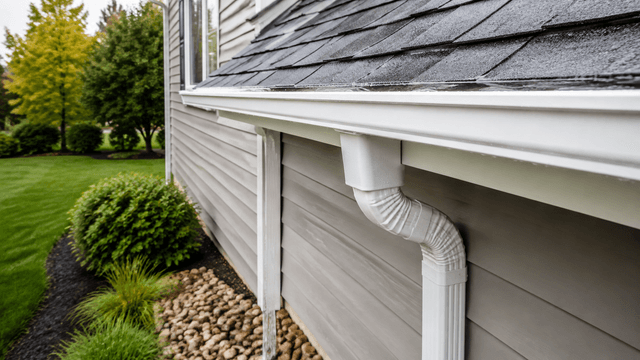
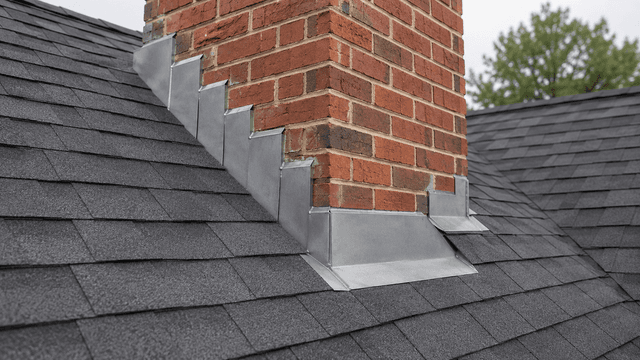
IBHS homeowner guidance identifies coverings, roof edges, flashing, valleys, skylights and soffits among storm-preparation concerns. A sound assessment should explain which of these are relevant to the home and where the evidence points.
Ask how the observed opening or damaged detail could admit water. A leak near a roof junction deserves an explanation of that junction, not just a general statement about shingle condition. If the source is uncertain, record what further investigation is needed.
Section takeaway: Investigate the relevant transitions as well as the shingle field.
Put shingle observations in context
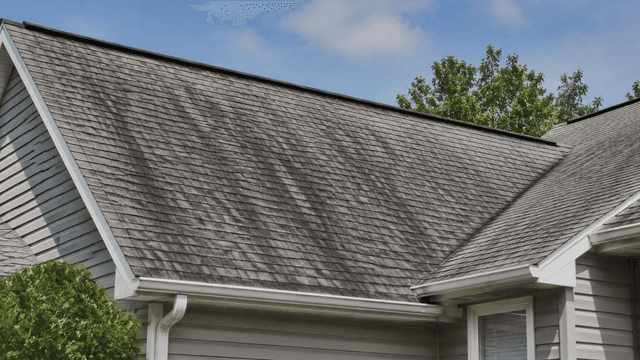
Material age and appearance are useful background, but neither alone determines the scope. IKO distinguishes a product warranty from actual service life and describes how installation and environmental conditions influence performance.
Section takeaway: Interpret an observation in the context of the whole assessment.
Evaluate the proposed repair boundaries
A repair recommendation should identify the affected area, surrounding condition and intended result. Ask whether earlier work at that location changes the recommendation. If nearby roof sections are outside the scope, have that boundary made clear.
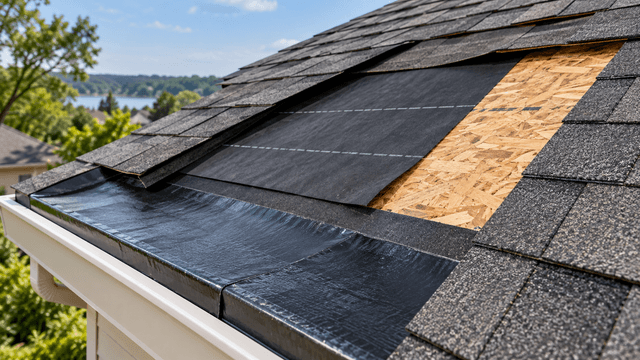
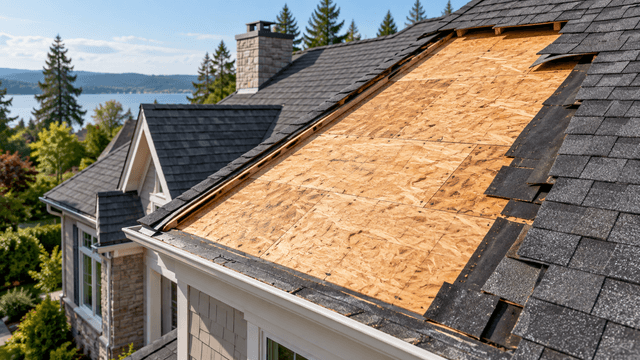
When replacement is recommended, ask which findings make a smaller repair less appropriate. Review covering, underlayment, edge and flashing work together, along with concealed decking procedures. The decision should follow the roof evidence rather than an assumption about a neighborhood’s storm exposure.
Section takeaway: Have repair boundaries and the replacement rationale explained.
Make the next action explicit
If water is entering now, discuss appropriate temporary protection and the follow-up needed for permanent work. For a planned project, agree on access, weather communication, cleanup and responsibilities for applicable local approvals.
Continue with the roof damage from hail and high winds and the Hanover roofing service page. Bring the questions specific to the home to a roofing consultation.
Sources: IBHS homeowner storm preparation; IKO: facts and myths about asphalt shingles.
Section takeaway: Keep the roofing plan and any separate claim decision distinct.