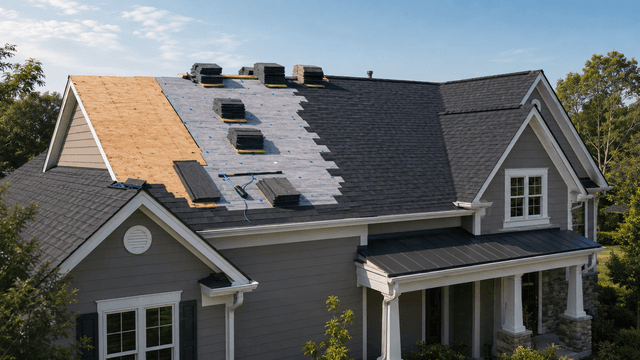
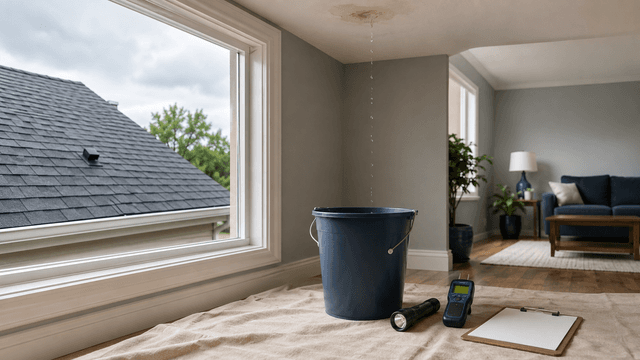
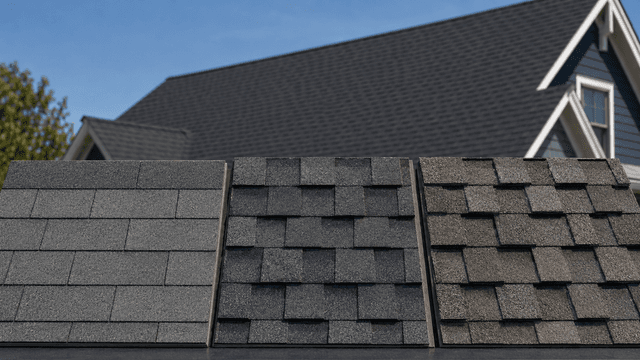
Weather does not age every roof slope at the same rate. A useful Reading roof record follows the changes on the home through the seasons instead of subtracting a fixed number of years after every storm.
Use the roof’s history to interpret the next season
Start with installation and repair records. If the date is unknown, label it unknown rather than turning a visual guess into a fact. Note which roof areas have needed work and whether the same concern returns under similar conditions.
Section takeaway: Combine installation history with a dated seasonal observation log.
Compare the slopes rather than treating the roof as uniform
A roof section shaded by trees can behave differently from a sun-exposed section. Leaves may collect where slopes meet, and runoff from an upper roof may be concentrated on a lower one. Ask the inspector which of those conditions actually applies to the home.
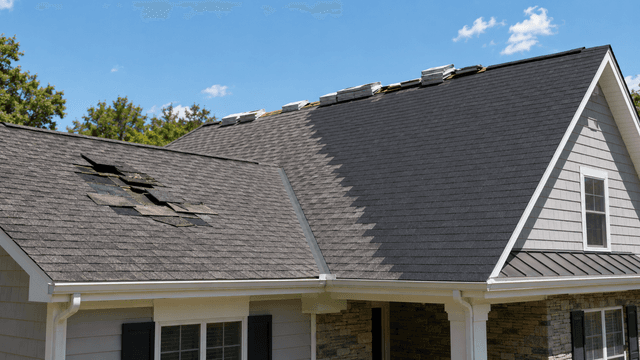
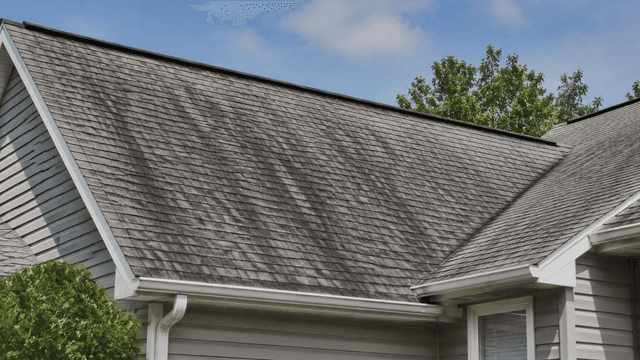
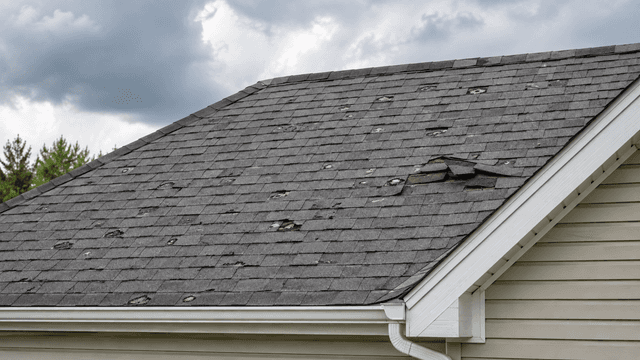
Do not treat surface discoloration alone as proof that the entire covering has failed. Record changes such as displaced material or new staining and ask how the finding affects water shedding or the underlying assembly.
Section takeaway: Ask how conditions differ across roof sections and slopes.
Make winter observations useful
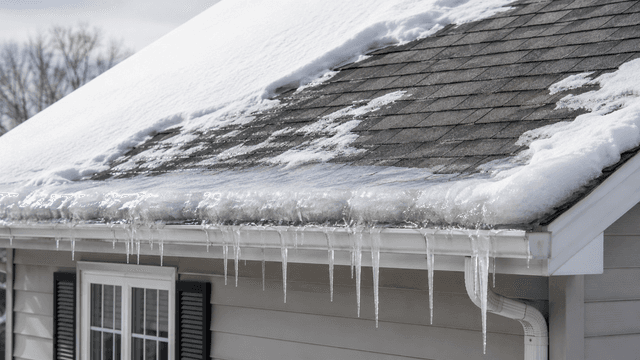
If the roof develops repeated ice at the same edge, document the pattern from a safe location. Uneven roof temperatures can allow snow to melt and refreeze at colder edges. The relevant assessment may include attic air leakage, insulation and the roof assembly, rather than shingles alone.
Section takeaway: Record recurring winter symptoms for a coordinated assessment.
Turn observations into a maintenance or replacement decision
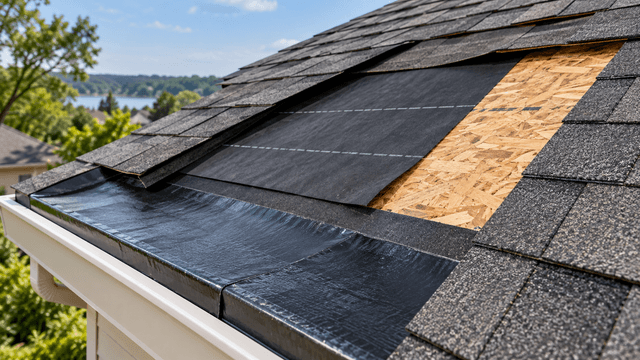
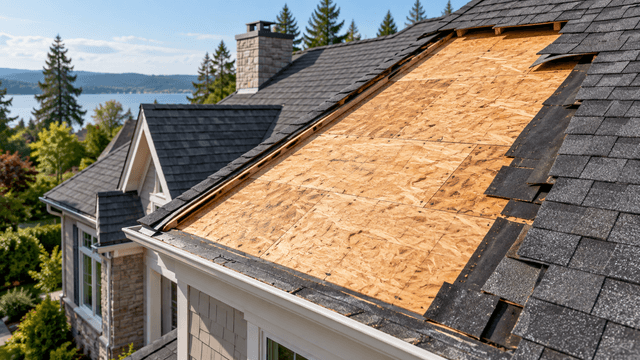
Bring the log to an assessment after a new concern or when planning larger work. Ask which issues call for monitoring, which need correction now and what evidence would justify replacement. Keep the recommendation with the photographs so next season starts with a clearer baseline.
The roof lifespan guide explains the wider roles of material, installation and maintenance. For the winter mechanism, consult the ice-dam guide instead of treating this article as a second general tutorial.
Section takeaway: Turn the history and findings into a practical next action.