Black streaks on asphalt shingles are commonly caused by blue-green algae. Algae staining is often primarily cosmetic, but dark areas can also resemble moss, lichen, trapped debris, granule loss or moisture-related damage. Identify the condition before cleaning it, and never pressure-wash asphalt shingles.
Dark streaks can make a roof look older than it is. They may begin as small discolored patches before extending down the roof in long vertical lines. Staining is often more noticeable on shaded sections or roof planes that stay damp longer.
The appearance alone does not reveal whether the roof only needs cleaning or has a more significant problem. The first step is determining what is actually growing, collecting or deteriorating on the surface.
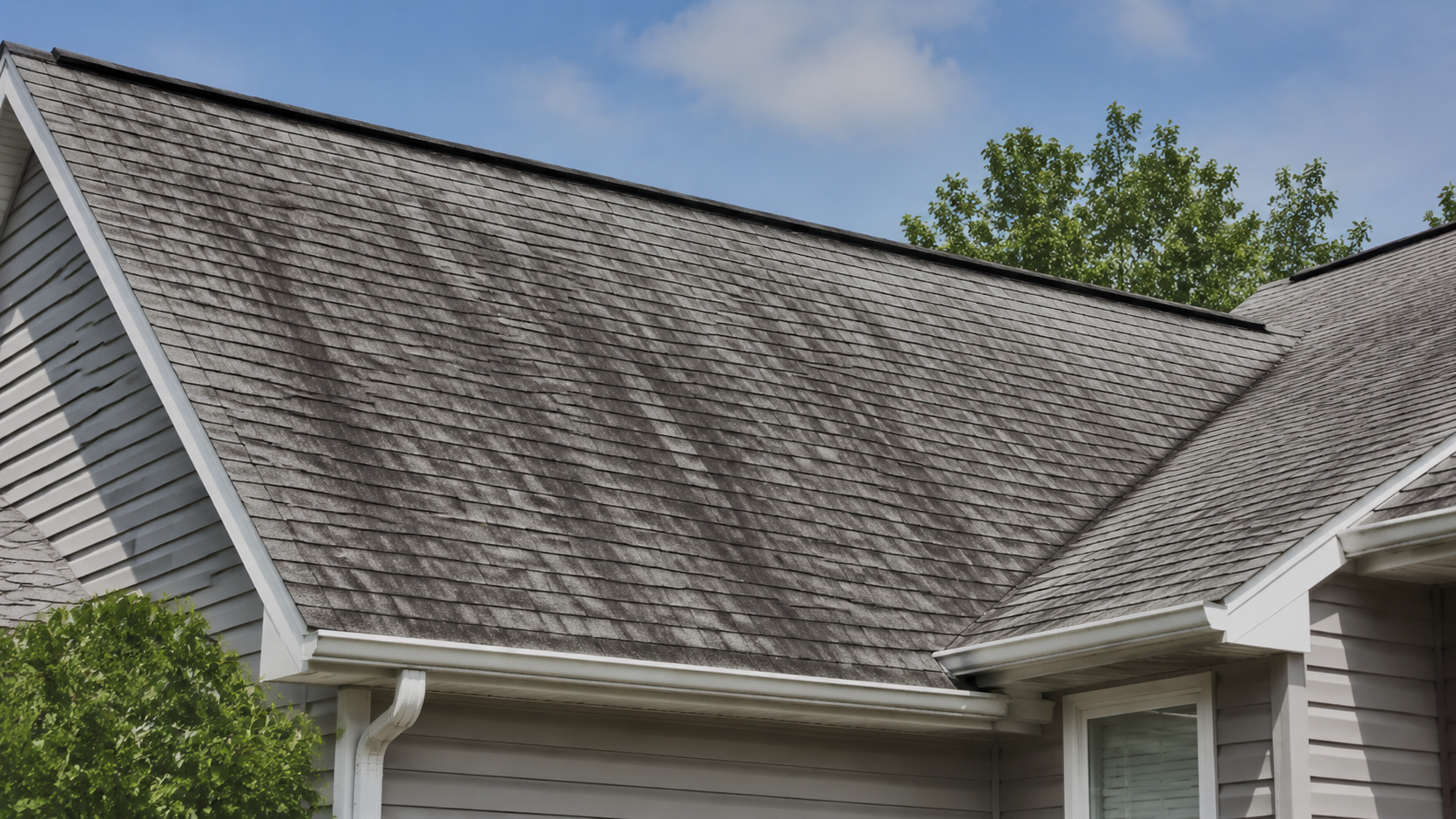
Roof algae
Usually appears as flat brown-to-black streaks that follow water down the roof.
Moss or lichen
May look green, fuzzy, leafy or crusty and can hold moisture against the roof surface.
Shingle deterioration
Uneven color may accompany granule loss, cracking, curling or exposed asphalt.
What causes black streaks on a roof?
On many asphalt roofs, the cause is a type of blue-green algae commonly called Gloeocapsa. Airborne spores can settle on the roof and become more visible where moisture and environmental conditions support their growth.
As rainwater moves down the roof, it can carry the discoloration with it. This creates the long, dark streaks that many homeowners notice from the ground.
Shade and lingering moisture
Roof planes that receive less direct sunlight may remain damp longer after rain, dew or humid weather. Overhanging branches and nearby buildings can also contribute to shaded conditions.
Roof orientation
Different sides of the same roof receive different amounts of sunlight, wind and drying time. One roof plane may therefore develop visible staining while another remains relatively clear.
Debris and drainage conditions
Leaves, pine needles and other organic material can collect in valleys, behind penetrations or near roof edges. Debris may slow drying and create conditions where algae, moss or lichen becomes more noticeable.
Shingle type and age
Some modern asphalt shingles include algae-resistant granules designed to inhibit discoloration. Their coverage, expected duration and limitations depend on the specific shingle product and warranty.
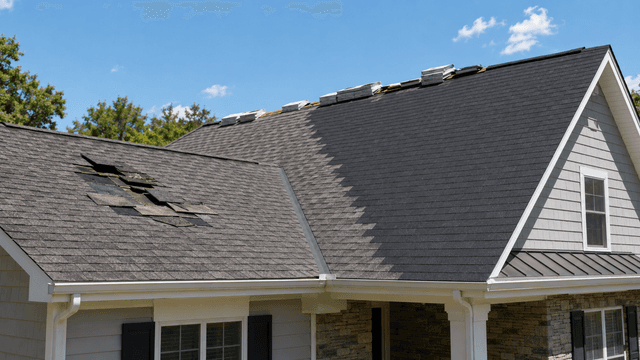
Soot, tree debris, lichen, moss, exposed asphalt, granule loss and moisture-related conditions can create similar discoloration. Diagnosis should come before cleaning because the wrong treatment may damage the roof without correcting the real problem.
Are black roof streaks a sign of damage?
When the staining is confirmed as blue-green algae, it is often considered an appearance issue rather than proof that the shingles have stopped working. A stained roof may still be performing as designed.
The risk is assuming every dark area is harmless. Moss, lichen and damaged shingles require a different evaluation. A roof may also have algae staining and unrelated deterioration at the same time.
| Appearance | Possible condition | Why identification matters |
|---|---|---|
| Flat brown or black streaks | Blue-green algae | May support roof-safe cleaning if the shingles remain serviceable. |
| Raised green growth | Moss | Moss can hold moisture and disturb shingle edges if handled incorrectly. |
| Crusty attached patches | Lichen | Aggressive removal may pull granules from the shingle surface. |
| Patchy color with exposed material | Granule loss or deterioration | Cleaning will not restore roofing material that has worn away. |
Can black streaks be cleaned from a roof?
Algae staining can often be treated without replacing an otherwise serviceable roof. The cleaning method should follow the shingle manufacturer’s instructions and account for the roof’s age, pitch, existing damage and warranty requirements.
A roof-safe process generally uses an approved cleaning solution and low-pressure application. It should also protect gutters, siding, landscaping, painted surfaces and nearby metal components.
The roof may not look completely clean the moment treatment is finished. Depending on the approved method, weather and amount of growth, some remaining discoloration may fade gradually rather than being forcibly scrubbed away.
High-pressure water can remove protective granules, loosen shingle edges, interfere with seals and force water beneath the roof covering. Aggressive brushing or scraping can cause similar damage.
Cleaning methods to avoid
- Pressure washers or concentrated streams of water
- Stiff brushes, wire brushes or aggressive scrubbing
- Scraping moss or lichen from the shingle surface
- Unapproved chemical concentrations or incompatible products
- Walking on a wet, steep, brittle or unfamiliar roof
- Cleaning without checking the shingle manufacturer’s instructions and warranty terms
Roof cleaning combines height, water and potentially slippery biological growth. Homeowners should evaluate stains from the ground and leave roof access to a qualified professional when the work cannot be completed safely.
How to help prevent black roof streaks
No prevention method can control every environmental condition, but several roof and property decisions may reduce the conditions that allow discoloration to become more visible.
Keep drainage paths clear
Remove roof-edge and gutter debris from safe locations so rainwater can move away from the roof as designed.
Address persistent shade and debris
A qualified tree professional may be able to address branches that continually drop debris or limit drying. Do not remove healthy trees solely because staining appears.
Follow manufacturer maintenance guidance
Use only cleaning and maintenance practices approved for the installed shingle product. Keep documentation of the product and any professional treatment.
Consider algae-resistant shingles
When replacement is otherwise appropriate, compare shingles with algae-resistant features and review the applicable product warranty and limitations.
Ask whether metal strips are appropriate
Properly selected and installed copper or zinc components may inhibit future algae growth below them. They are not an instant cleaning method and must be compatible with the roof system.
Do black streaks mean the roof should be replaced?
Black streaks alone usually do not provide enough evidence to recommend roof replacement. If the staining is algae and the shingles remain in serviceable condition, roof-safe cleaning or monitoring may be the more proportionate response.
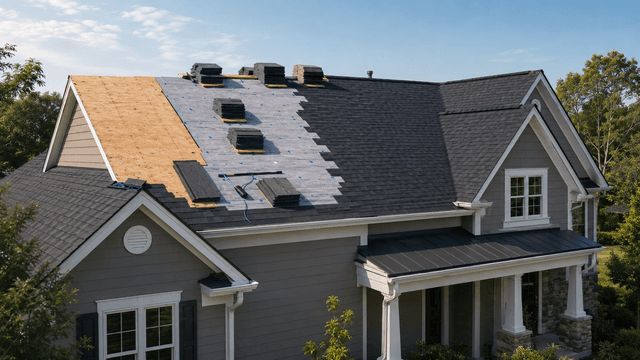
Replacement becomes a broader consideration when staining appears alongside other signs of deterioration, including:
- Widespread granule loss or exposed asphalt
- Cracked, curled, lifted or missing shingles
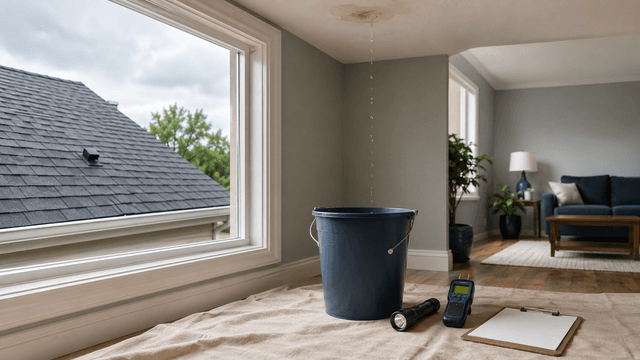
- Recurring leaks or interior water stains
- Soft, deteriorated or unsuitable roof decking
- Multiple failing roof areas rather than one stained section
- An aging roof for which cleaning could create more risk than value
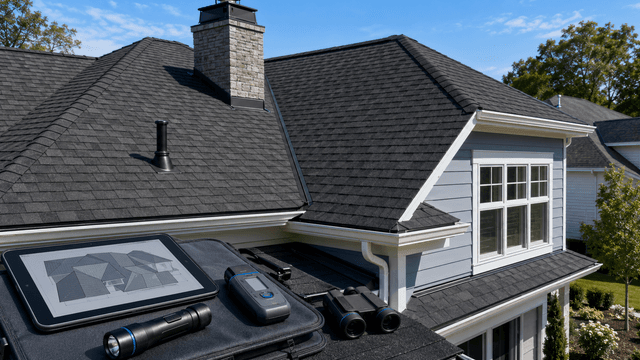
A professional roof inspection can identify the staining, document the shingle condition and separate an appearance concern from a repair or replacement decision.
Make the next roof decision with better evidence
Explore professional roof inspections