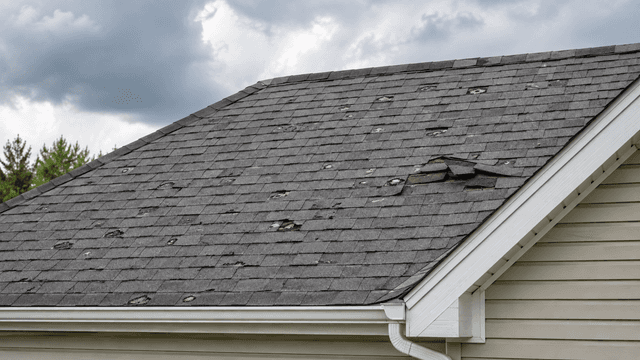
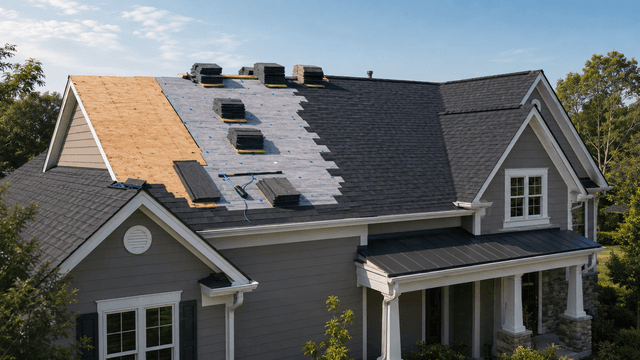
A regional storm warning describes a hazard. It does not diagnose a roof. West Wareham homeowners can make the assessment more useful by recording what changed, where water appeared and how the home is exposed. That record helps separate a damaged component from a wider replacement need.
Start with the setting of the home
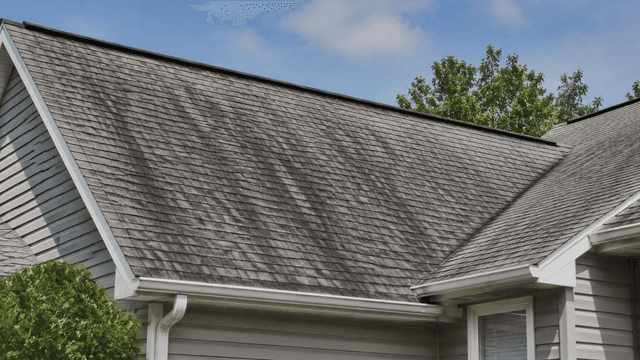
Describe whether the property has an open approach, nearby trees or sheltered roof sections. Identify additions, lower roofs and attached structures that could behave differently from the main roof. The assessment should reflect those differences rather than treating the entire property as one uniform surface.
Section takeaway: Assess the particular property rather than a coastal label alone.
Follow the possible water paths
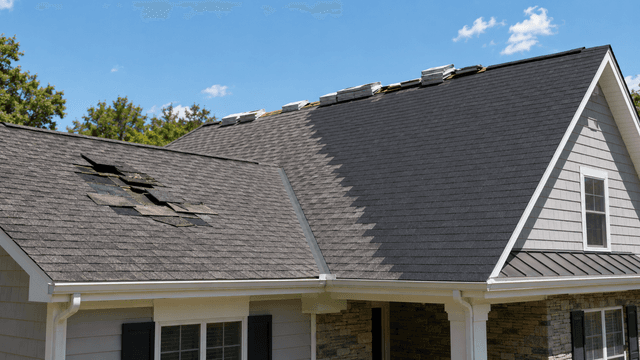
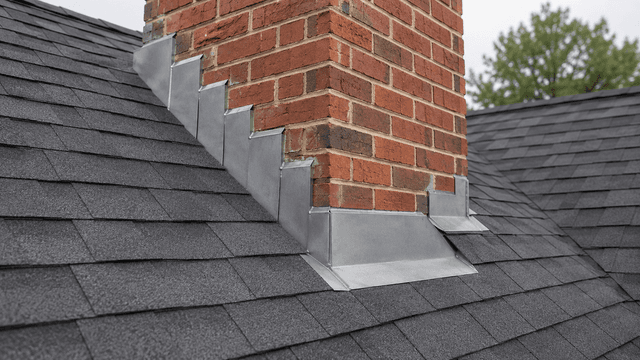
Wind and rain can occur together during coastal storms. IBHS homeowner guidance identifies roof coverings, flashing, valleys, skylights and soffits among areas to address when preparing for severe weather. A review limited to the broad shingle surface may miss a vulnerable transition.
If water appears inside, record the room, time and weather conditions. Ask the professional to trace the likely entry path and explain the evidence. The indoor stain alone cannot establish which exterior detail failed or how much roofing work is required.
Section takeaway: Trace the likely entry path instead of relying only on the stain.
Include drainage and debris in the review
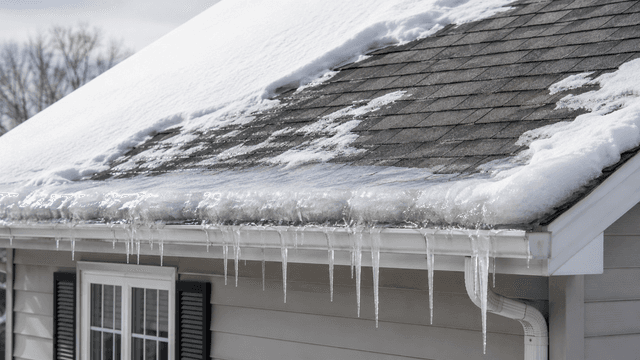
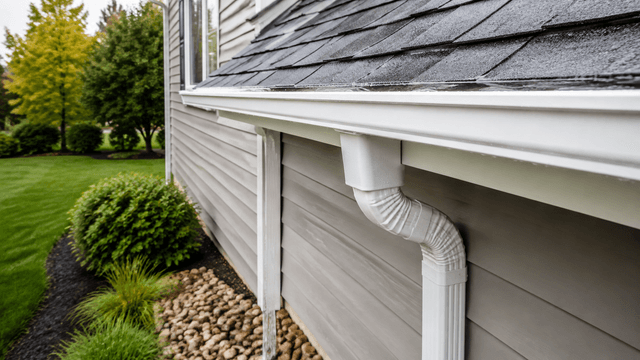
Note overflowing gutters, debris accumulation and water that appears to collect near a roof junction. Keep observations to safe ground-level views. Arrange professional help for work that requires accessing the roof or an unsafe ladder position.
Section takeaway: Identify which drainage concerns are included in the work.
Make the repair recommendation specific
Request photos, a description of the affected components and an explanation of the recommended scope. If the recommendation is a limited repair, ask what the surrounding roof condition suggests about the usefulness of that repair.
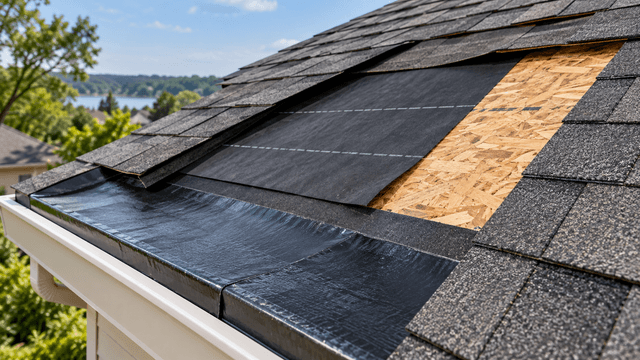
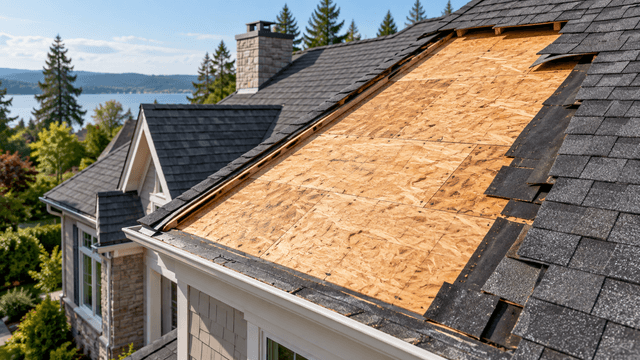
If replacement is recommended, ask which findings make repair less appropriate and whether different roof sections need different treatment. Keep access, concealed decking work and changes to the agreed scope in writing. Do not assume that a storm automatically requires full replacement.
Section takeaway: Ask why the documented findings support the recommended scope.
Plan the work around conditions and local requirements
Discuss the installation window, temporary protection and communication if weather changes. Ask who will coordinate materials and waste-container placement, particularly where access to a lower roof or rear section is constrained.
Continue with the related Learning Center guide and the West Wareham roofing service page. Bring the questions specific to the home to a roofing consultation.
Sources: IBHS homeowner storm preparation; Wareham Inspectional Services.
Section takeaway: Coordinate approvals, access and weather planning before the start.