A Chester homeowner may first notice winter trouble as a stain during a thaw, ice near an eave or a leak that never appeared during summer rain. Those observations are useful clues. They do not establish a diagnosis. The next step is to connect the timing of the water with a documented review of the roof and the spaces beneath it.
Follow the melt-and-refreeze sequence
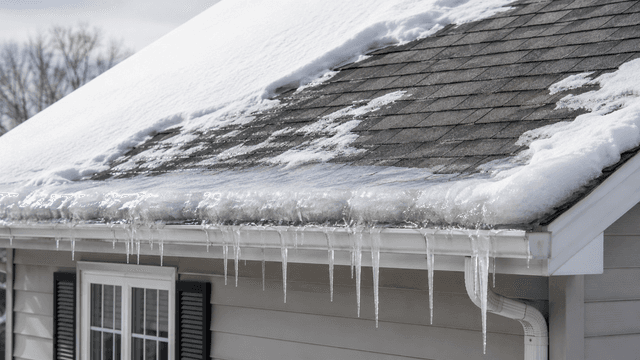
The Department of Energy describes how warmth reaching a snowy roof can melt snow above the heated part of a home. The water can then refreeze at colder eaves. An ice dam can interrupt drainage and allow water to back up beneath the roof covering.
Section takeaway: Investigate the affected roof sections rather than infer uniform damage.
Use the leak history to focus the assessment
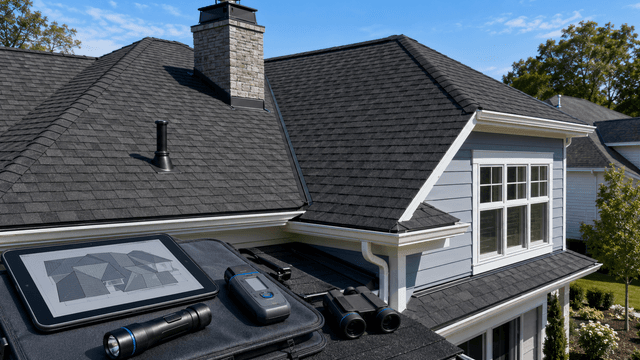
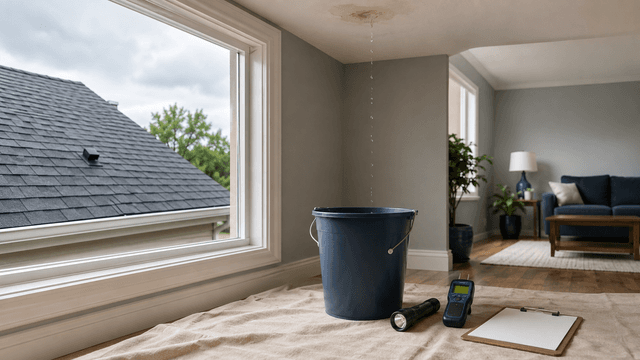
Record whether water appeared during rain, a warming period after snow or another event. Include the room, approximate time and any previous repair at the same location. Photographs taken safely indoors or from the ground can help explain the sequence without requiring anyone to climb onto an icy roof.
Ask the assessor to distinguish the water entry point from the place where water became visible indoors. If a prior repair did not stop the problem, provide its scope. Repeated symptoms deserve an explanation of what remains unresolved rather than another repair based only on the stain.
Section takeaway: Bring the timing, affected rooms and earlier repair details.
Review heat, air movement and roof-edge protection
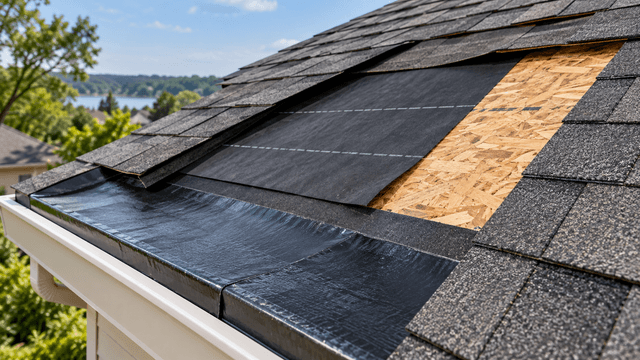
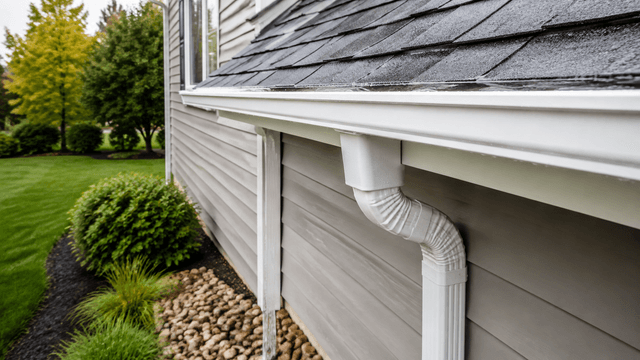
DOE guidance connects ice-dam prevention with limiting heat transfer through air sealing, insulation and appropriate ventilation. A roof assessment should explain whether those subjects need a separate attic review and who will perform it.
Section takeaway: Review water protection and heat-transfer concerns as related subjects.
Choose work that addresses the documented cause
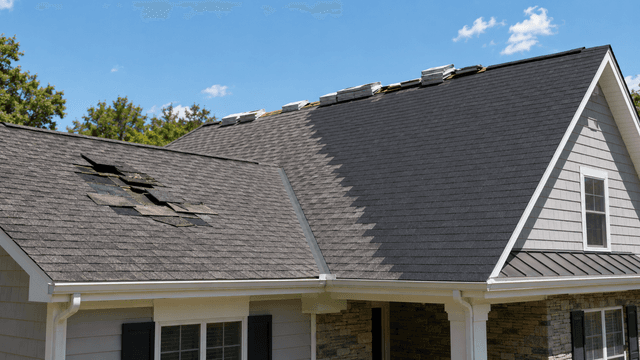
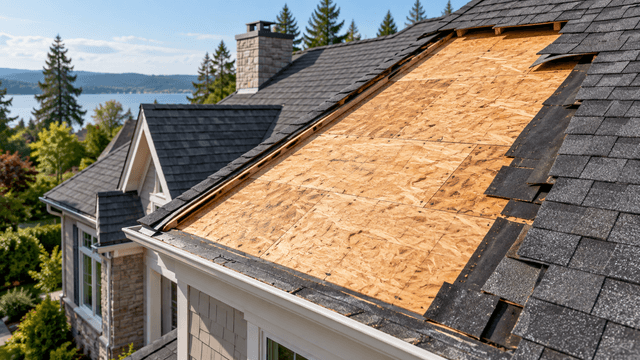
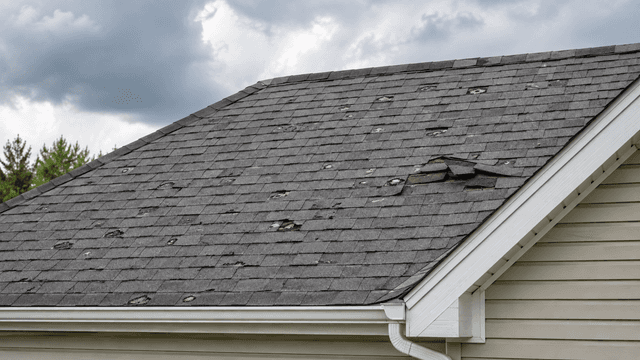
A localized defect may call for a limited repair. Wider deterioration may support replacement. In either case, request photographs and an explanation of how the proposed scope responds to the findings. Winter weather alone is not a complete reason to replace the entire roof.
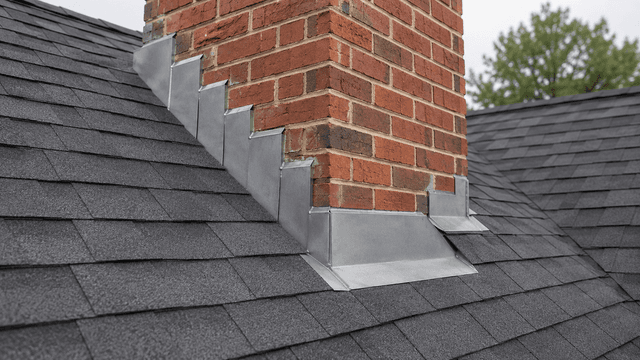
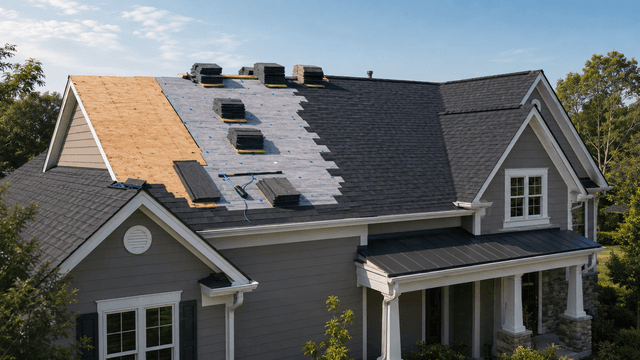
For a replacement proposal, ask which eaves, transitions and attic concerns are included. Identify work by others and any concealed-condition allowance. A household should know whether the project addresses only the covering or also includes an agreed response to a recurring winter problem.
Section takeaway: Choose the scope that responds to the documented cause and condition.
Prepare a safe next step for the Chester home
Do not walk on a snowy roof or chip ice from an unsafe ladder position. Arrange professional help for an active leak, roof access or ice-related work. If there are signs of a structural hazard, keep people out of the affected area and seek prompt professional assistance.
Continue with the ice dams, prevention and roof damage and the Chester roofing service page. Bring the questions specific to the home to a roofing consultation.
Sources: U.S. Department of Energy: eaves in cold climates; ENERGY STAR: attic ventilation.
Section takeaway: Leave with a safe next action and clear responsibilities.