Quick answer
A roof repair may make sense when the damage is isolated, the surrounding materials are sound and the underlying roof system still has meaningful service life. Replacement becomes more likely when deterioration is widespread, leaks recur in different places, the decking is compromised or another repair would only postpone an unavoidable larger project. Age helps frame the decision, but an inspection should determine the roof’s actual condition.
A missing shingle does not automatically mean you need a new roof. A water stain does not automatically mean a small patch will solve the problem either.
The right decision depends on what failed, how far the damage extends and whether the rest of the roof can continue performing after the immediate problem is addressed. That makes roof repair versus replacement a system decision—not a symptom decision.
Damage scope
Is the problem confined to one repairable area or spread across multiple roof planes?
System integrity
Are the shingles, flashing, underlayment and decking around the problem still dependable?
Remaining life
Would a repair restore a sound roof, or merely delay replacement for a short time?
Safety first
Do not climb onto the roof to diagnose it yourself. Look from the ground or from a safe indoor location. A sagging roofline, active water entry, falling materials or signs of structural movement warrant prompt professional attention.
Roof repair vs. replacement at a glance
Repair and replacement solve different problems. A repair corrects a defined failure while preserving the roof around it. Replacement removes the existing roofing materials so the contractor can address the roof as a complete system.
| Decision factor | Repair may fit when | Replacement becomes more likely when |
|---|---|---|
| Damage | One small, clearly defined area is affected | Wear or damage spans multiple areas or roof planes |
| Leaks | The source is identifiable and surrounding materials remain sound | Leaks recur, appear in different places or reveal broader moisture damage |
| Materials | Nearby shingles can be worked with and a compatible repair is possible | Shingles are brittle, curling, deteriorated or difficult to integrate reliably |
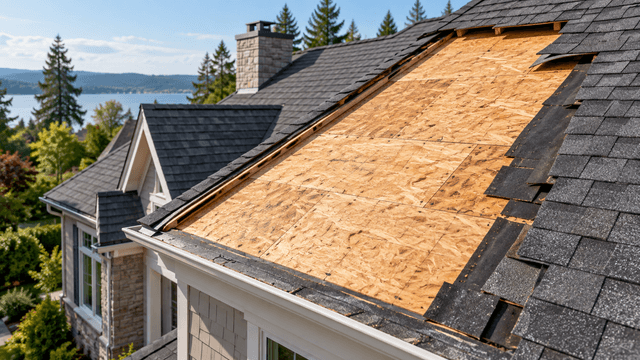
| Decking | The roof deck appears sound beyond a limited repair area | Soft, rotted, delaminated or sagging areas indicate a larger problem |
| Repair history | This is an isolated issue rather than part of a pattern | Multiple prior repairs have not restored reliable performance |
| Project value | The repair is expected to preserve meaningful roof life | Repair would consume money without changing the near-term need to replace |
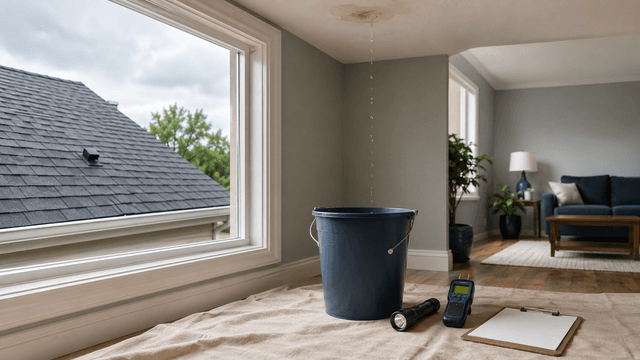
This comparison is a decision aid, not a remote diagnosis. Water can travel along decking, rafters or other building materials before becoming visible indoors. The stain you see may not sit directly below the roof failure.
Six factors that should drive the decision
No single factor decides every roof. A good recommendation explains how these conditions work together.
01
How widespread is the damage?
A few wind-damaged shingles are different from broad granule loss, curling or failure across several slopes. The affected percentage matters less than whether the remaining roof still forms a dependable system.
02
What caused the problem?
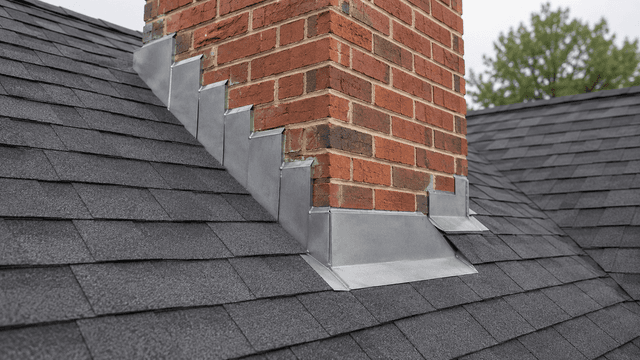
A failed flashing detail, damaged pipe boot or isolated impact can have a specific remedy. Systemic aging, poor ventilation or widespread installation defects can create failures that a surface patch will not resolve.
03
What is happening below the shingles?
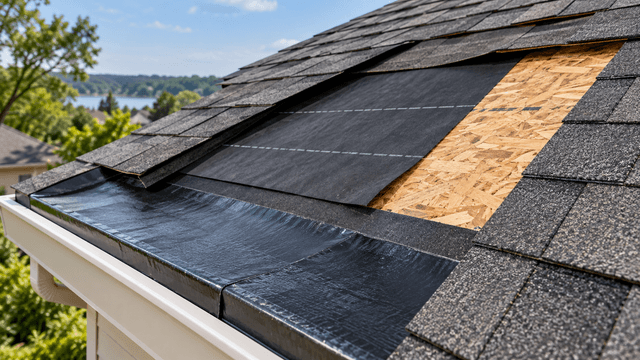
Shingles are only the visible layer. Moisture-damaged decking, deteriorated underlayment or structural movement changes the decision because the repair must reach the actual failure.
04
Can the materials be repaired reliably?
Older or brittle shingles may crack when lifted to complete a repair. Color and product matching also affect appearance, but compatibility and water-shedding performance matter more than a perfect visual match.
05
Is the issue isolated or recurring?
One resolved leak is not the same as repeated leaks in changing locations. A growing repair history can show that local fixes are no longer addressing the condition of the roof as a whole.
06
What is the home’s next major project?
A planned sale, attic work or future rooftop solar installation can affect timing. If the roof is already close to replacement, coordinating projects may prevent avoidable removal and rework later.
If future solar is part of the plan, the roof and solar timelines should be evaluated together. Trinity Solar explains what to consider when roof work and an existing solar system overlap. Stand-alone roofing diagnosis and replacement remain the responsibility of this Total Home guide.
When a targeted roof repair may make sense
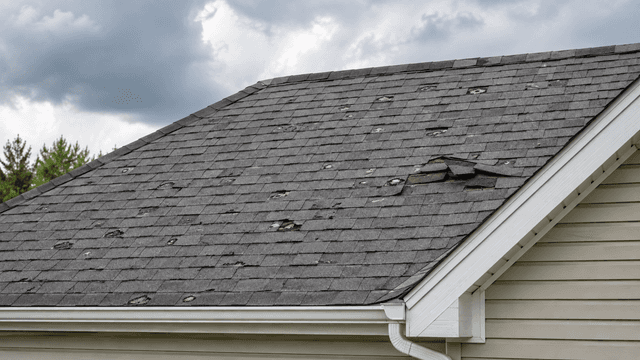
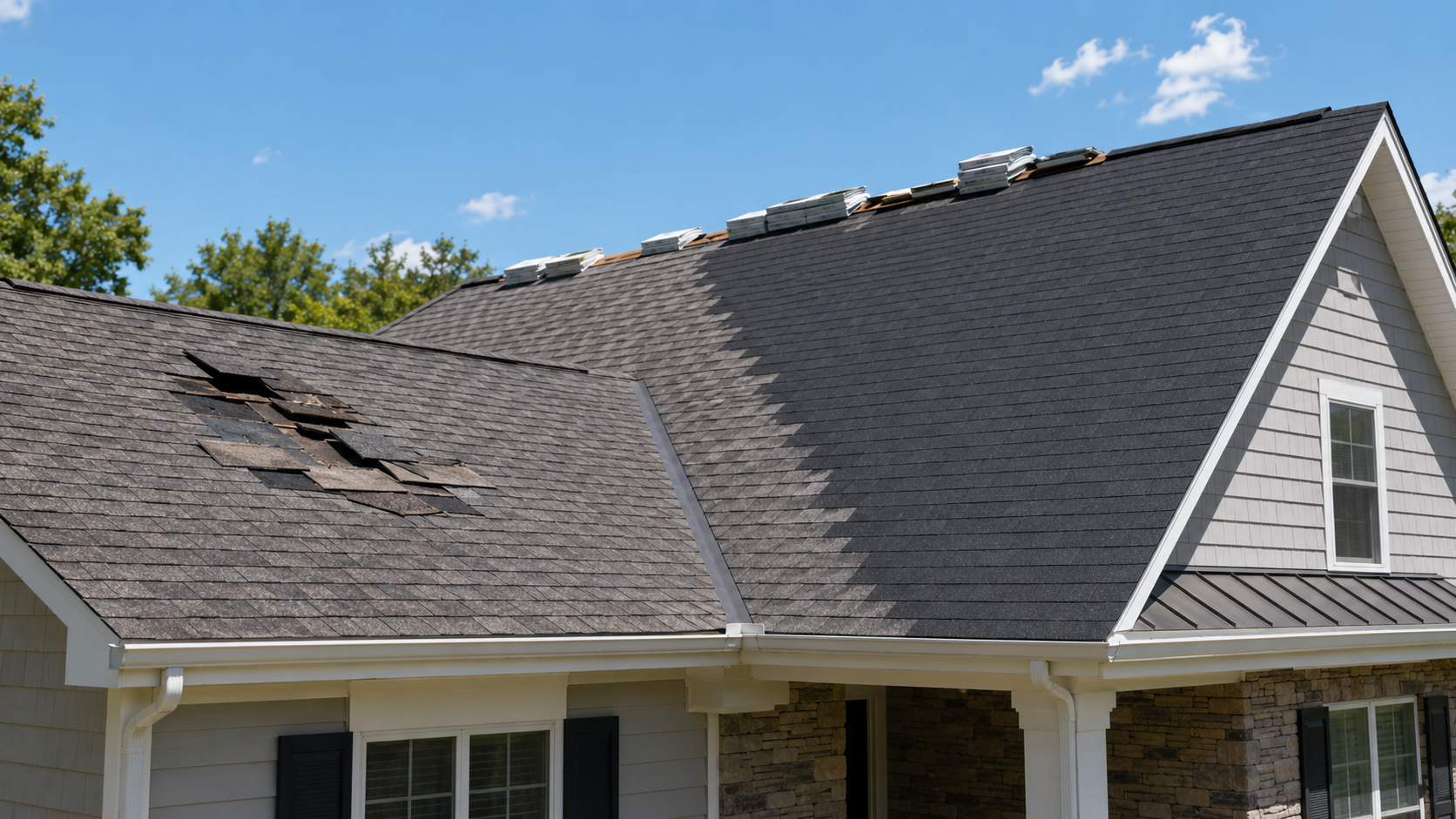
A repair is most defensible when the contractor can identify a limited failure and explain why the roof around it remains serviceable. Examples can include a small area of storm damage, a localized flashing problem or an isolated penetration failure.
The recommendation should answer four questions:
- What exactly failed?
- How will the repair correct the cause rather than cover the symptom?
- What condition are the surrounding shingles and underlying materials in?
- What result should the homeowner reasonably expect from the repair?
The repair test
Will this restore a sound roof—or buy a little time?
Buying time can be a deliberate choice, but it should be described honestly. Ask how the repair changes the roof’s risk, what remains unresolved and what signs would trigger a replacement discussion.
When full roof replacement becomes more likely
Replacement becomes more rational when the problem no longer has a clean boundary. That can happen when shingles are deteriorating across large areas, water has affected the roof deck, the roofline is sagging or repeated repairs are creating a patchwork surface without restoring confidence in the system.
Widespread failure
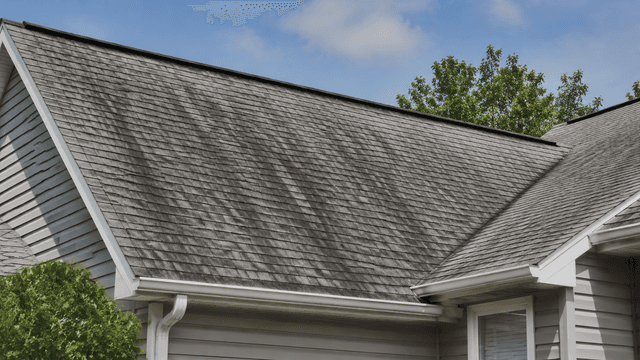
Multiple roof planes show curling, cracking, granule loss or missing materials.
Underlying damage
Decking, underlayment or structural areas require broader access and correction.
Declining repair value
Another repair is unlikely to preserve enough roof life to justify the expense and disruption.
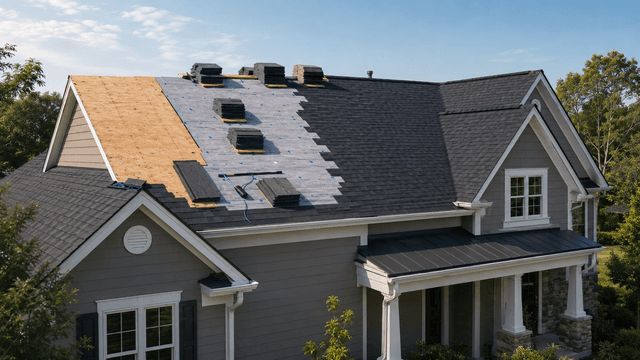
A full replacement also creates access to the roof deck and allows the roofing components to be rebuilt as one coordinated system. Learn what Trinity includes in its roof replacement service, including tear-off, deck preparation, underlayment, flashing, shingles, ventilation details and cleanup.
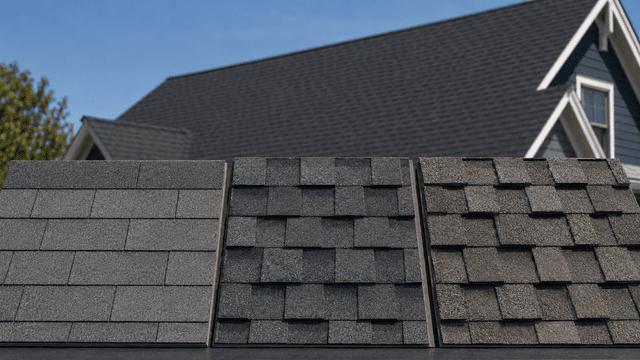
If replacement is the recommendation, compare more than the shingle displayed on the proposal. Installation scope, excluded work, permits, deck-replacement terms, ventilation, cleanup and warranty responsibility all affect the real project. Trinity’s guide to choosing the right roofer explains what to evaluate before hiring.
Do these warning signs always mean you need a new roof?
No. Warning signs tell you where investigation should begin. They do not all prove that replacement is required.
| Warning sign | What it may indicate | What the inspection should determine |
|---|---|---|
| Missing shingles | Localized wind damage or broader fastening and aging issues | Whether nearby shingles remain secure and repairable |
| Curling or cracking | Material aging, heat exposure, ventilation issues or installation conditions | How widespread the deterioration is and whether repair can integrate safely |
| Ceiling stain | Roof leak, flashing failure, condensation or another moisture source | The entry point, travel path and extent of hidden moisture damage |
| Granules in gutters | Normal shedding, storm impact or progressive shingle wear | Whether loss is excessive, uneven or paired with exposed asphalt |
| Sagging roofline | Possible decking or structural concern | The cause, severity and immediate safety implications |
The previous version of this article framed eight visible conditions as signs that replacement was needed. The more accurate interpretation is that they are reasons to inspect the roof. The inspection should connect the evidence to a repair, monitoring or replacement recommendation.
What should a professional roof inspection clarify?
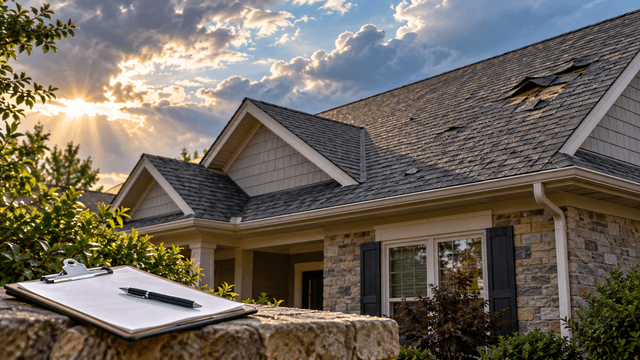
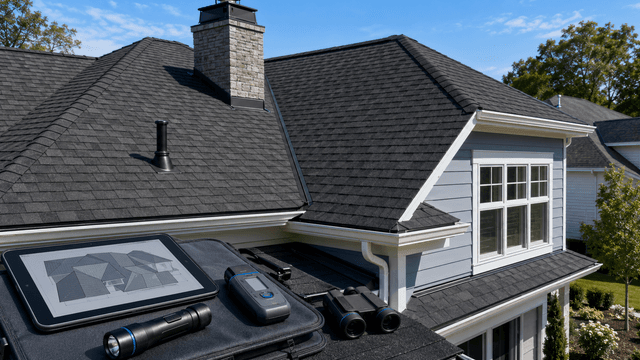
A useful inspection does more than produce a quote. It should help you understand the roof’s current condition and why the recommended scope fits the evidence.
Observed condition
Photos and a plain-language explanation of damaged shingles, flashing, penetrations, drainage, ventilation and visible deck concerns.
Likely cause
Whether the issue appears isolated, storm-related, age-related, installation-related or connected to another building condition.
Recommended response
What should be repaired, monitored or replaced—and what evidence supports that recommendation.
Decision timing
Whether the condition requires prompt action or allows time to compare scope, materials, warranties and payment options.
Review Trinity’s roof inspection process to see the components its Roofing Experts assess. If replacement is recommended, ask for the findings that moved the decision beyond repair.
Get a home-specific recommendation
Find out what your roof actually needs
An inspection can separate a limited problem from a system-wide one and give you a documented next step based on the condition of your home.
Questions to ask before accepting the recommendation
- What evidence shows the problem is isolated or widespread?
- What roofing layers or components are affected?
- If you recommend repair, what useful life do you expect it to preserve?
- If you recommend replacement, why would a repair be unreliable or poor value?
- What deck work is included, excluded or priced only after tear-off?
- How are flashing, ventilation, permits and cleanup handled?
- Who is responsible if a workmanship or material problem appears later?
Warranty length alone does not answer the last question. Read the covered components, exclusions, service process and responsible parties. Trinity outlines its manufacturer, shingle-performance and craftsmanship coverage on the TriShield roofing warranty page.
The bottom line
A repair is not automatically the economical choice, and replacement is not automatically the safest recommendation. The better choice is the one that matches the actual scope of failure and the condition of the remaining roof.
If the problem is limited and the roof around it remains sound, a targeted repair may restore reliable protection. If failure is widespread, underlying materials are compromised or repeated repairs are no longer preserving meaningful life, replacement may provide the more defensible long-term path.
The key assumption is that visible symptoms reveal enough to make the call. They usually do not. A documented inspection is what should confirm—or disprove—the repair or replacement case.