Quick answer
Roof replacement cost is based on the roof—not just the home’s floor plan. The measured roof area, pitch and complexity, tear-off requirements, decking condition, materials, flashing, ventilation, permits, access and local labor all affect the final quote. A reliable estimate should show what is included, which conditions could change the price and how any additional work will be approved.
A roof replacement is a major home project, but the lowest number on an estimate is not automatically the lowest total cost. Two proposals can look similar at the bottom line while covering different materials, removal work, ventilation, flashing, cleanup and warranty protection.
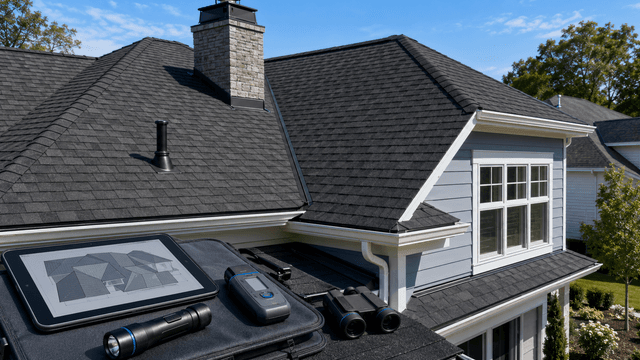
The best way to understand your roof replacement cost is to compare the complete scope of work. A professional inspection and roof measurement establish that scope before you make a decision.
What should a roof replacement quote include?
A complete proposal should account for the roofing system from the deck outward. Depending on the home and contractor, the quoted scope may include:
- Roof measurement and project planning
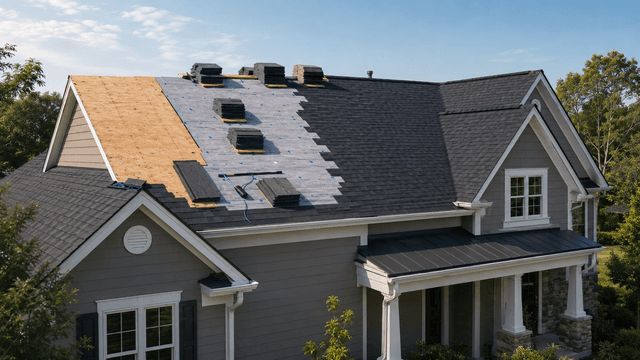
- Removal and disposal of existing roofing materials
- Inspection of the exposed roof deck and clearly stated repair terms
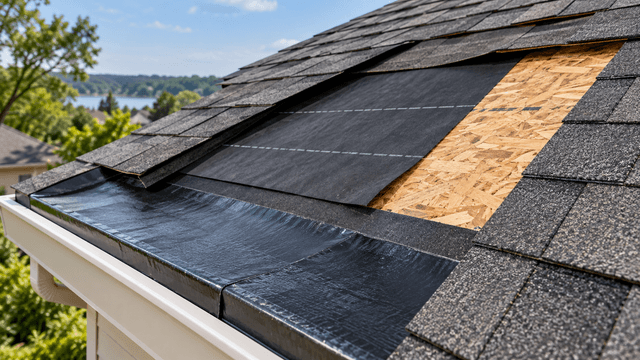
- Underlayment, ice-and-water protection and starter materials
- Shingles, ridge caps and other finish materials
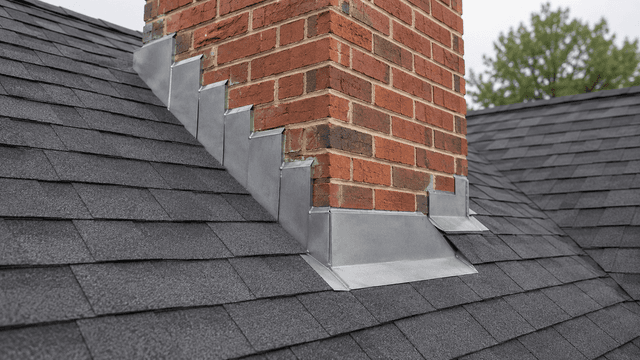
- Flashing at walls, valleys, chimneys, skylights and roof penetrations
- Intake and exhaust ventilation work included in the design
- Permits, property protection, cleanup and final inspection
- Manufacturer and contractor warranty terms
Trinity’s roofing estimate checklist gives you a field-by-field framework for comparing written proposals.
The factors that affect roof replacement cost
| Cost factor | Why it matters | What to confirm |
|---|---|---|
| Roof area | Materials and labor are based on the roof surface, which can be larger than the home’s floor area. | The measured roof area and how waste is calculated. |
| Pitch and complexity | Steep slopes, multiple levels, valleys, dormers and penetrations can require more labor, staging and detail work. | Whether complexity, access and safety requirements are included. |
| Tear-off | The number and type of existing roof layers affect removal time and disposal volume. | How many layers the price covers and how disposal is handled. |
| Deck condition | Soft, damaged or deteriorated sheathing may not be fully visible until the old roof is removed. | The included allowance or unit price and the approval process for additional decking. |
| Roofing system | Shingle line, underlayment, protection membranes, starter materials and ridge caps vary by system. | Exact manufacturer, product line and components—not just a generic material name. |
| Flashing and ventilation | Water-shedding details and attic airflow are part of roof-system performance. | Which flashing and ventilation components will be replaced, reused or added. |
| Permits and local requirements | Permit fees and required project details vary by jurisdiction. | Who obtains the permit and whether fees are included. |
| Warranty and service | Product coverage and contractor workmanship coverage are separate commitments. | Coverage, exclusions, registration duties, duration and who handles a future claim. |
Why house square footage does not equal roof square footage
A home’s interior square footage is not enough to price a roof. The roof surface changes with its pitch, overhangs, attached structures and design. Contractors commonly measure roofing in “squares,” with one roofing square covering 100 square feet of roof surface.
A one-story home with a simple gable roof can have a different roofing area and labor requirement than a two-story home with the same interior square footage but several valleys, dormers and roof transitions. This is why a roof measurement and professional roof inspection are more useful than a price based only on the home’s listed size.
Which costs may not be known until tear-off?
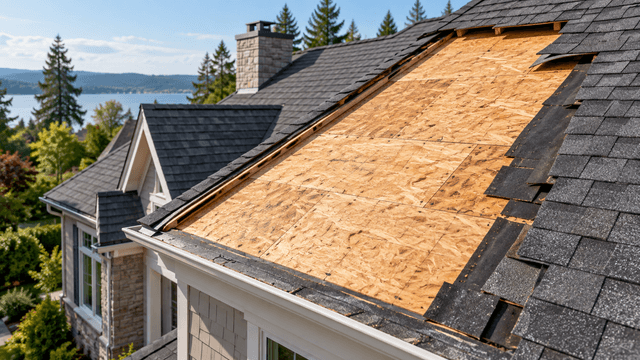
The roof deck sits beneath the existing roofing materials, so some damage cannot be confirmed before tear-off. A contractor may identify warning signs during the inspection, but the full condition becomes visible only after the old material is removed.
Protect the budget: Ask the proposal to state how decking replacement is priced, whether any amount is included and who must authorize work beyond the original scope. The same principle applies to concealed flashing or structural conditions discovered during removal.
Understanding the sequence also helps. Review the roof replacement timeline to see when tear-off, deck inspection, system installation, cleanup and final review occur.
How to compare roof replacement estimates
Place each written estimate side by side and normalize the scope before comparing the totals. Confirm the same items in every proposal:
- Project assumptions: measured area, number of layers, access, pitch and known problem areas.
- Named materials: manufacturer, product line and the complete roof-system components.
- Detail work: treatment of roof flashing, penetrations, valleys and ventilation.
- Possible changes: unit prices, allowances and written authorization for hidden conditions.
- Project responsibilities: permits, property protection, cleanup, disposal and final review.
- Protection after installation: manufacturer terms, workmanship coverage and the service process.
If one contractor’s price is materially lower, identify the scope difference before assuming it is the better value. NRCA advises homeowners to consider material and workmanship quality along with price and to compare proposals from reputable contractors.
Should you repair or replace the roof?
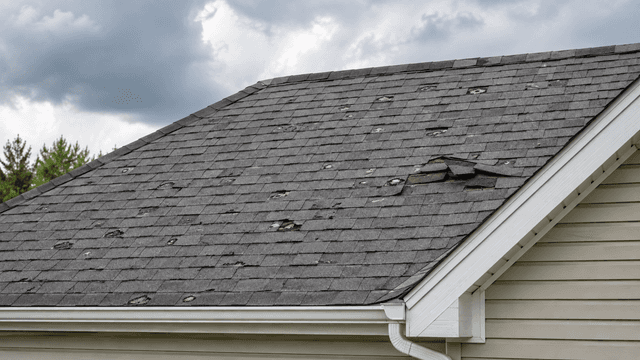
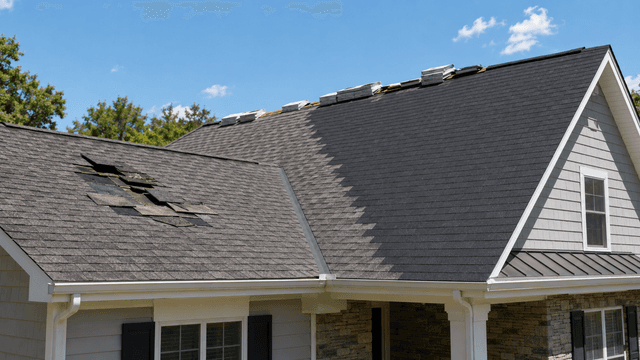
A localized issue on an otherwise serviceable roof may call for repair. Widespread deterioration, repeated leaks, extensive storm damage or a roof system near the end of its useful life may make replacement the more practical option. The decision should be based on the condition of the full system—not age or price alone.
Before choosing, ask the inspector to document the affected area, the condition of the surrounding materials, the expected life of a repair and whether the proposed work can be integrated correctly with the existing roof.
How financing changes the payment—not the project scope
Financing can spread an approved project cost over time, but it does not change what the roof requires. Compare financing separately from the construction estimate. Review the annual percentage rate, payment schedule, term, total of payments, fees and any promotional-period conditions before signing.
Trinity Total Home works with third-party lenders to offer roof payment options. Loan availability, approval, terms and conditions are determined by the lender.
Questions to ask before accepting a roof quote
- What roof measurement and number of tear-off layers does this estimate assume?
- Which exact materials and product lines are included?
- How are unexpected deck repairs priced and approved?
- What flashing and ventilation work is included?
- Are permits, disposal, cleanup and property protection included?
- What could create a change order?
- What manufacturer and workmanship warranties apply?
- Who should I contact if I need service after installation?
The bottom line
There is no responsible one-price answer for every roof. A useful roof replacement estimate connects the total to a measured roof, a defined system and clear terms for conditions that may be discovered during the work. Compare scope first, then price, payment options and warranty protection.