Quick answer
A professional roof inspection should evaluate the visible roofing materials, flashing, penetrations, valleys, drainage, ventilation, roof edges, attic conditions and interior signs of moisture or structural movement. It should end with documented findings, photos when available, access limitations, urgency and a clear recommendation to monitor, repair or consider replacement.
A roof can look fine from the driveway and still have a vulnerable flashing detail, lifted shingle, drainage problem or moisture pattern that is easier to see from the attic. The reverse is also true: one ceiling stain or missing shingle does not automatically mean the entire roof needs replacement.
The value of an inspection is not simply that someone looked at the roof. It is that the homeowner receives a condition-based explanation of what was observed, what could not be accessed and why the proposed next step follows from the evidence.

Outside
Roof covering, flashing, penetrations, edges, valleys and drainage paths.
Inside
Attic moisture, airflow, decking indicators and visible interior evidence.
Afterward
Photos, findings, urgency, limitations and recommended next steps.
The inspection standard
Observation should lead to documentation, and documentation should lead to the recommendation. “Your roof is bad” is not a useful inspection result. The homeowner should be able to see which conditions support repair, monitoring or replacement.
What should be checked on the roof exterior?
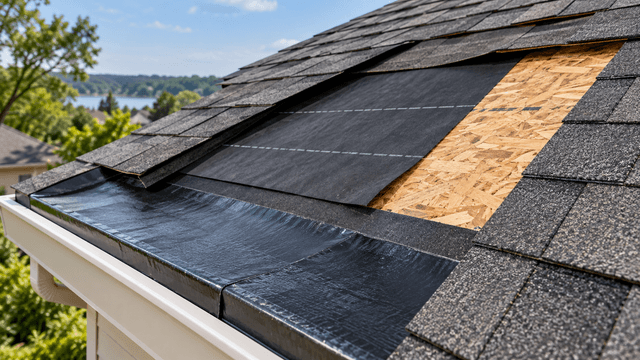
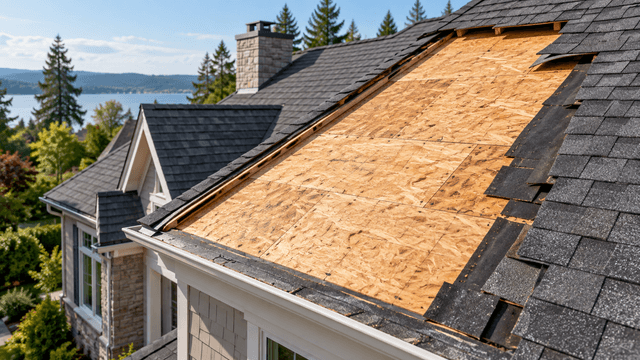
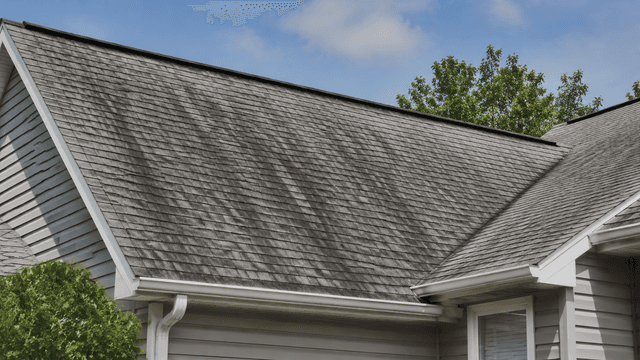
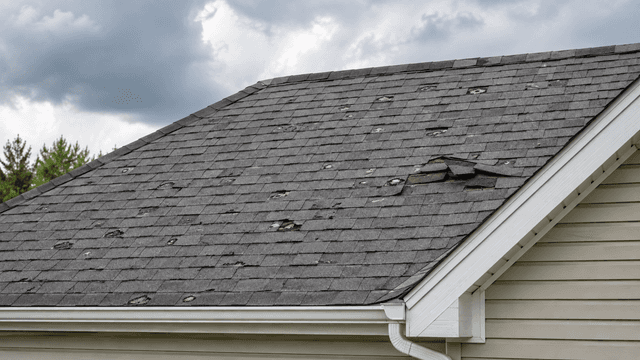
The exterior review begins with the roof covering and the way water moves across the roof. For an asphalt-shingle roof, the inspector may look for missing, cracked, curled, lifted or deteriorated shingles; exposed or backed-out fasteners; unusual granule loss; inconsistent wear; algae or organic growth; and evidence of previous repairs.
Wear should be interpreted in context. A few damaged shingles in one area may support a targeted repair. Similar deterioration across multiple roof planes may indicate that the roof system is approaching a broader decision point.
| Inspection area | What may be evaluated | Why it matters |
|---|---|---|
| Shingles | Missing, lifted, cracked, curled or worn areas; granule condition; prior patches | Shows the scope and pattern of material deterioration or damage |
| Ridges and hips | Cap-shingle condition, openings, movement and weather exposure | These high points receive direct wind and weather exposure |
| Valleys | Wear, debris, seal or flashing details and evidence of restricted flow | Valleys concentrate water from adjoining roof planes |
| Roof edges | Drip edge, fascia, soffit, starter course and visible deterioration | Edge details influence water shedding and wind exposure |
| Surface shape | Sagging, depressions or uneven areas | May point to decking, framing or moisture concerns that need closer evaluation |
Not every roof can or should be walked. Pitch, material condition, weather, height and access affect the safe inspection method. Depending on the property, parts of the assessment may be completed from the ground, ladder edge, attic or with suitable imaging tools. The final report should identify material areas that were not accessible.
Why flashing, penetrations and transitions need their own review
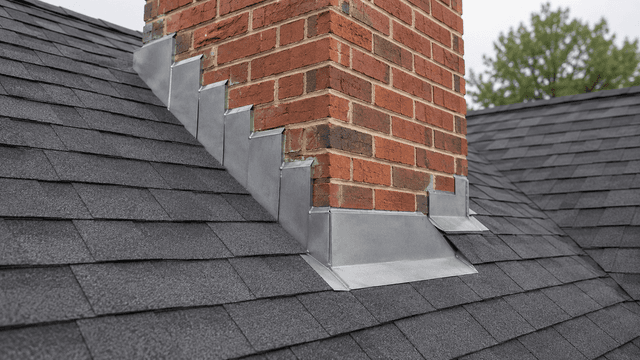
A roof is not one uninterrupted surface. Chimneys, plumbing vents, skylights, walls, dormers and roof-to-roof transitions interrupt the covering. Those details depend on flashing and correctly integrated materials to direct water back onto the roof surface.
An inspector may look for displaced, corroded, damaged or improperly integrated flashing; exposed fasteners; cracked boots; failed or excessive sealant; gaps; and repair work that appears to cover a symptom without correcting the underlying pathway.
01
Chimneys and walls
Review step flashing, counterflashing, mortar interfaces and roof-to-wall transitions where visible.
02
Vents and pipes
Check boots, flanges, seals and surrounding shingles for cracks, gaps or movement.
03
Skylights
Evaluate visible flashing, seals, drainage paths and evidence of water entry around the opening.
04
Additions and tie-ins
Inspect changes in slope, adjoining materials and older-to-newer roof connections.
Sealant is not a substitute for diagnosis
Sealant can be an appropriate part of some details, but a thick bead over an unknown leak pathway does not prove that the flashing beneath it is sound. The inspection should identify the likely entry point and the repair scope needed to restore water shedding.
What should be checked around gutters, edges and roof drainage?
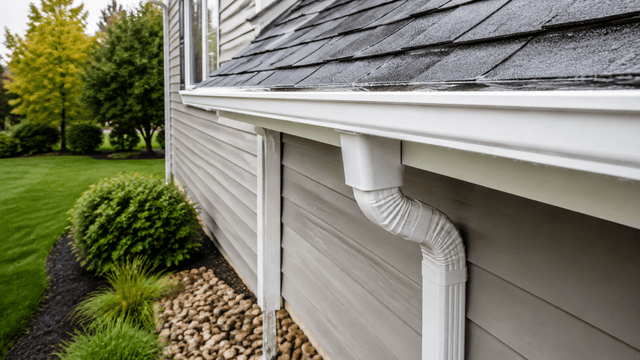
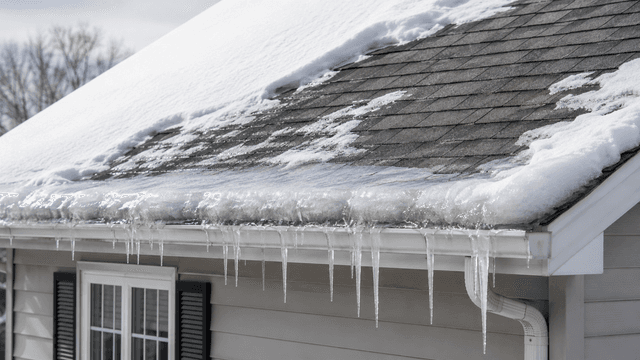
Water must move from the roof surface to the ground without repeatedly spilling against fascia, siding or the foundation. A roof inspection should therefore consider visible drainage conditions—not only the shingles.
The inspector may note debris accumulation, sagging or misaligned gutter sections, overflow staining, loose connections, damaged fascia or soffit, missing edge components and downspout discharge concerns. These observations do not mean every drainage issue is a roofing failure, but they can explain why water is reaching a vulnerable area.
This is also where Total Home’s service boundaries matter. Gutters and soffits should be evaluated as connected roof-system components, particularly when a roof replacement may create the right time to address deteriorated edges or drainage—not treated as a generic gutter-cleaning pitch.
See the inspection service
Turn visible concerns into a documented roof assessment
Trinity’s roof inspection service evaluates roofing materials, flashing, drainage, leaks, attic moisture indicators and structural concerns, then outlines the next steps.
What can the attic and interior reveal?
When the attic is safe and accessible, it can provide evidence that is not visible from the roof surface. The inspector may look for active moisture, staining on decking or framing, darkened or deteriorated wood, wet insulation, daylight at penetrations, condensation, unusual airflow conditions and visible movement in the roof structure.
Interior ceilings and walls can add another part of the evidence trail. Water stains, peeling paint, bubbling surfaces or damp areas can help identify the affected zone. They do not always identify the exact entry point because water can move along decking, rafters, fasteners or other materials before appearing indoors.
| Visible evidence | What it may support | What it does not prove alone |
|---|---|---|
| Ceiling stain | A current or previous moisture pathway near that area | The exact exterior entry point or the required repair |
| Decking discoloration | Past or present moisture exposure that deserves evaluation | That all discolored decking is actively wet or structurally unsound |
| Condensation | A possible ventilation, insulation or indoor-moisture issue | That the roof covering is leaking |
| Sagging or movement | A condition that may require prompt structural evaluation | The cause or repair scope without further assessment |
A roofing inspection can flag suspected structural, ventilation or biological-growth concerns, but specialized testing or another qualified professional may be needed to diagnose conditions outside the inspector’s scope.
How should the findings be classified?
A useful inspection does more than list defects. It separates conditions by urgency and explains what changes if the homeowner waits.
Monitor
Document and recheck
The condition is visible but does not currently support an immediate repair. Record its location and the trigger for another review.
Repair
Correct an identifiable problem
The issue appears localized and the surrounding roof remains serviceable enough to support a targeted repair.
Replace
Address system-wide decline
Widespread deterioration, recurring failures or compromised supporting components make another isolated repair less defensible.
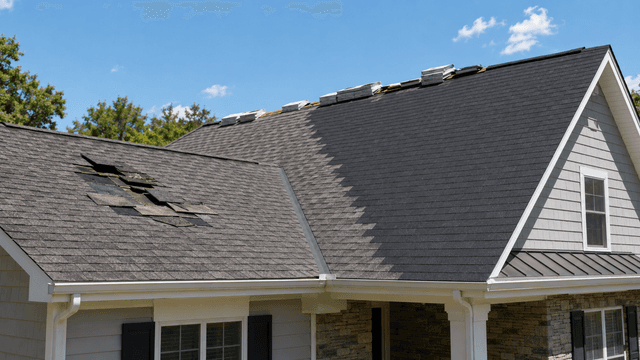
Some findings require faster action. Active water entry, a sagging roofline, displaced materials after a storm, visibly unstable components or suspected structural movement should not wait for a routine maintenance cycle. Avoid climbing onto the roof or entering an unsafe attic to investigate them yourself.
For a deeper comparison of the decision itself, use the guide to roof repair versus replacement.
What should the homeowner receive after a roof inspection?
The inspection should leave the homeowner with more clarity than they had before it. A useful written or digital summary should identify the areas reviewed, the conditions found and the basis for the recommendation.
Inspection deliverable checklist
Ask for findings that can support a decision
- Photos or clear descriptions of material findings
- Locations and likely causes of visible concerns
- Areas that were unsafe, blocked or otherwise inaccessible
- Conditions that require immediate action versus monitoring
- Repair, replacement or further-evaluation recommendations
- The proposed scope and what it is intended to correct
If replacement is recommended, the next document should be detailed enough to compare the scope—not just the total. Use the roofing estimate checklist to review materials, flashing, ventilation, decking allowances, warranties, exclusions and payment terms.
If no immediate work is recommended, ask what should be monitored, how the condition may change and when another inspection would be reasonable. “No repair today” should still produce a useful baseline for the roof.
Are all roof inspections the same?
No. “Roof inspection” can describe several services with different purposes. A roofing contractor’s assessment is designed to evaluate visible roof conditions and develop a repair or replacement recommendation. A general home inspection covers the roof as one part of a larger property review. An engineer, insurance adjuster or other specialist may be needed when the question involves structural design, a claim determination or a formal opinion outside a contractor’s scope.
| Inspection type | Primary purpose | Important boundary |
|---|---|---|
| Roofing contractor assessment | Evaluate roof conditions and define possible roofing work | May not be a formal certification, engineering report or claim decision |
| General home inspection | Review visible systems and components across the property | The roof is only one part of the broader inspection scope |
| Insurance assessment | Document a reported loss and support a coverage decision | The insurer determines coverage under the policy |
| Specialist evaluation | Address structural, environmental or other technical concerns | Requires the appropriately qualified professional for the question |
Before scheduling, state what decision the inspection needs to support. If the homeowner needs documentation for a real-estate transaction, insurance claim, permit or structural concern, ask whether the offered inspection produces the required form and professional opinion.
When should you schedule a roof inspection?
There is no one schedule for every home. Roof material, age, tree exposure, regional weather, repair history and manufacturer guidance all affect the appropriate timing. The event that triggered concern can matter more than a generic calendar interval.
- After high winds, hail or falling debris: visible damage may represent only part of the affected area.
- When a leak or new stain appears: early documentation can help narrow the pathway before damage spreads.
- Before deciding between repair and replacement: scope and surrounding-roof condition should support the choice.
- Before a major exterior project: roofing, solar, gutters, soffits and related work may need coordinated sequencing.
- When the roof has an unclear history: an inspection can establish a baseline for future monitoring and planning.
Get a home-specific assessment
Find out what the roof needs—and what it does not
Schedule a free Trinity roof inspection to document visible conditions and discuss the appropriate next step for the home.
Continue learning