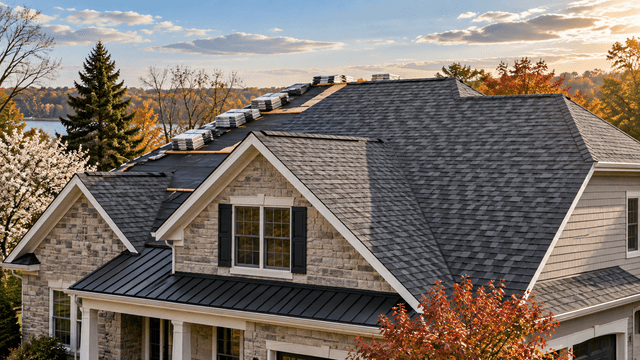
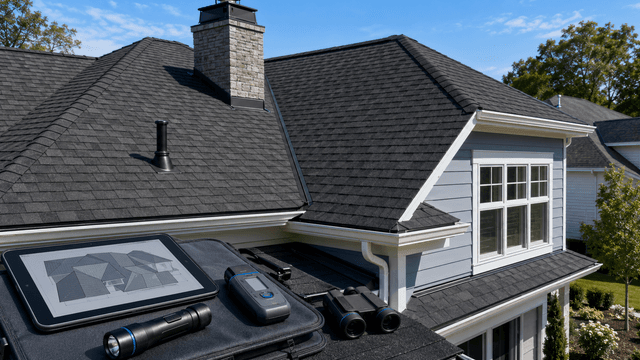
A roof does not expire on a single, predictable date. Its useful life depends on the roofing material, the quality of the installation, ventilation and moisture control, local weather, maintenance, and the condition of the roof system beneath the visible shingles. Age is a helpful planning signal, but an inspection—not the calendar—should drive a repair or replacement decision.
Quick answer: A roof's expected service life is a range, not a guarantee. Two roofs installed in the same year can age very differently because of product choice, workmanship, attic conditions, tree cover, sun exposure, storms, and upkeep. If you do not know the roof's history—or see leaks, missing shingles, damaged flashing, sagging, or widespread granule loss—schedule a professional inspection.
Roof age versus roof condition
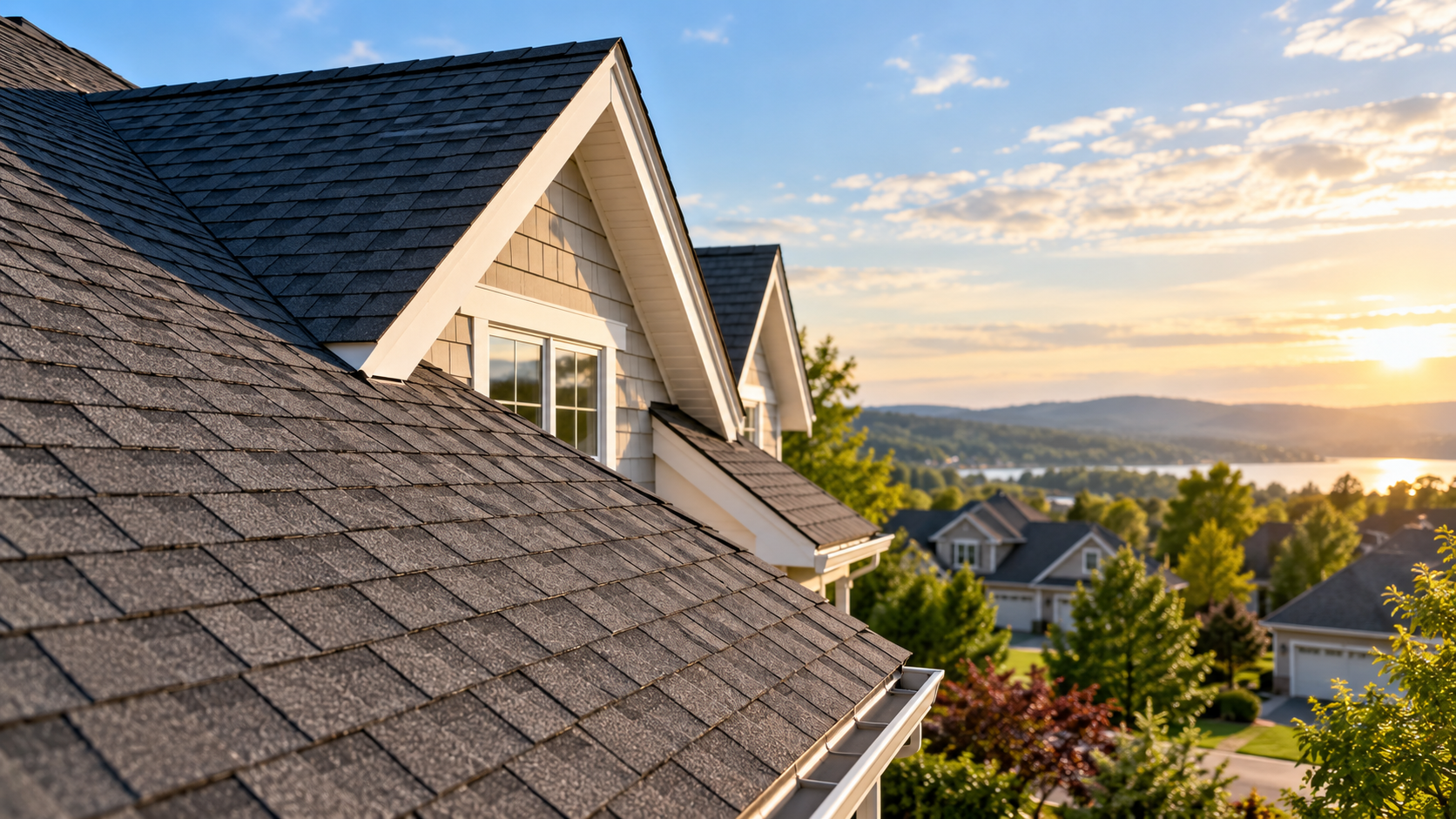
Homeowners often ask for one number that tells them when a roof must be replaced. In practice, roof age answers only part of the question. It helps establish where the roof may be in its lifecycle, but it does not reveal whether the system was installed correctly, whether water is getting behind flashing, or whether trapped attic heat and moisture are accelerating deterioration.
A newer roof can develop problems after severe weather or poor installation. An older roof may remain serviceable when it was installed well, ventilated properly, maintained, and protected from unusual damage. That is why a qualified roofer evaluates both the visible covering and the system supporting it.
How roofing material affects service life
The roof covering is one of the strongest influences on longevity. Product categories are engineered differently, carry different wind and impact ratings, and respond differently to heat, moisture, and installation details.
Asphalt shingles
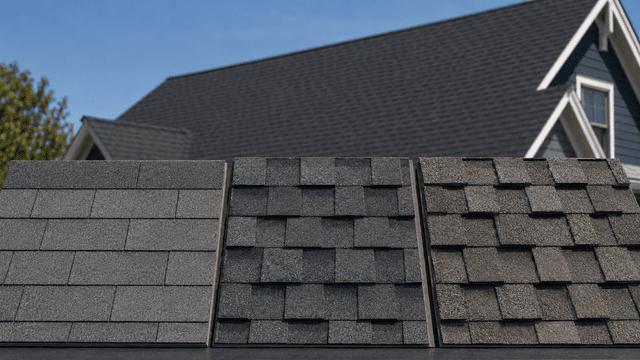
Asphalt shingles are common on residential homes and are available in several constructions. Three-tab, architectural, and performance shingles differ in thickness, design, and tested performance. The specific product matters, but so do the underlayment, starter course, fastening pattern, flashing, ventilation, and workmanship. Learn more in our guide to types of asphalt roof shingles.
Metal, tile, slate, and other systems
Other roofing systems may have different expected service ranges, structural requirements, repair methods, and costs. Even long-lasting materials rely on compatible fasteners, flashing, sealants, drainage, and a sound roof deck. A material's reputation for durability does not eliminate the need for correct design and installation.
| Factor | Why it matters | What to check |
|---|---|---|
| Material and product | Construction and tested performance vary by product. | Manufacturer, product line, ratings, and installation instructions. |
| Installation | Fastening, flashing, underlayment, and detailing control water and wind resistance. | Workmanship records and inspection findings. |
| Ventilation and moisture | Excess heat and moisture can affect the roof deck and roofing materials. | Balanced intake and exhaust, insulation, staining, and condensation. |
| Climate and exposure | UV, temperature swings, wind, hail, snow, ice, and shade create different stresses. | Storm history, roof orientation, tree cover, and drainage. |
| Maintenance | Small defects can become larger water-entry problems when ignored. | Debris, gutters, sealants, penetrations, and prompt repairs. |
How climate and exposure change roof lifespan
Your region matters, but conditions can also differ from one side of a house to the other. A south-facing slope may receive more intense sun, while a shaded slope may stay damp longer. Valleys and roof sections below large trees can collect debris and retain moisture.
Heat and ultraviolet exposure
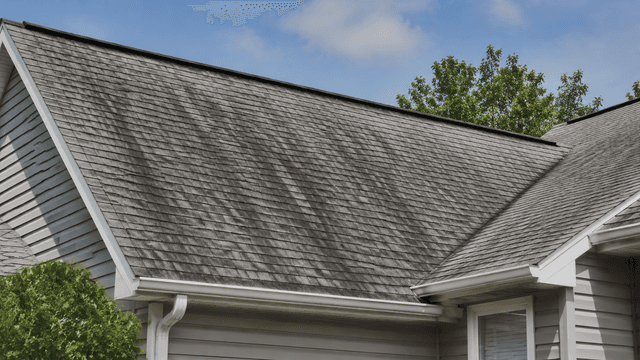
Sun and repeated heating can age roofing materials. Attic ventilation and insulation also affect heat and moisture conditions beneath the roof. Discoloration alone does not prove failure, but curling, cracking, widespread granule loss, or brittle shingles deserve a closer look.
Freeze-thaw cycles, snow, and ice
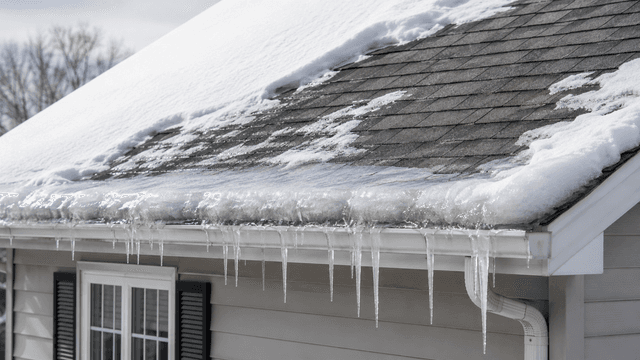
Water that enters small openings can expand when it freezes. Snow accumulation and ice dams can also expose weaknesses at eaves, valleys, flashing, and penetrations. Proper insulation, ventilation, drainage, and ice-and-water protection in appropriate locations work together to manage these risks.
Wind and hail
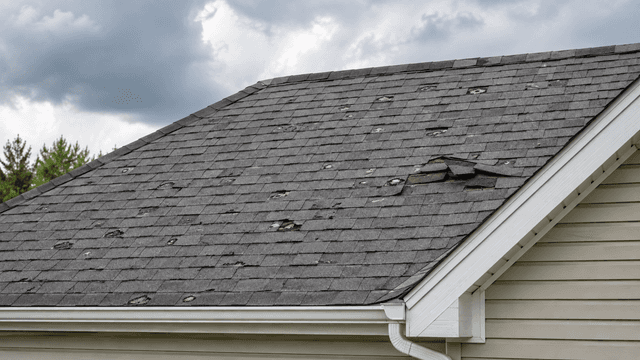
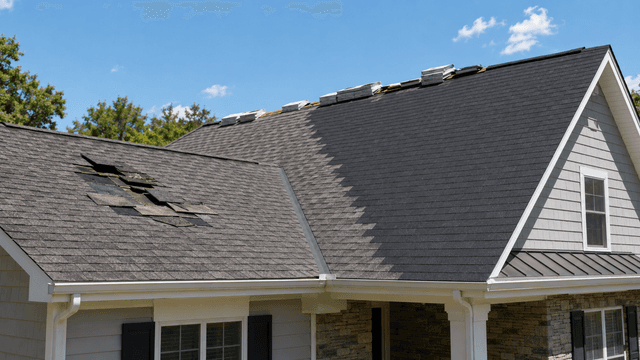
Wind can lift or remove shingles and stress edges and flashing. Hail can damage a roof without causing an immediate indoor leak. After significant weather, inspect safely from the ground and arrange a professional assessment if you see missing material, displaced flashing, debris impact, or new water staining.
Moisture, shade, and organic growth
Persistent shade and poor drainage can keep a roof surface damp. Overhanging branches may scrape roofing material and deposit leaves in valleys or gutters. Keep water moving away from the roof and have branches managed by a qualified professional when needed.
The roof is a system, not just shingles
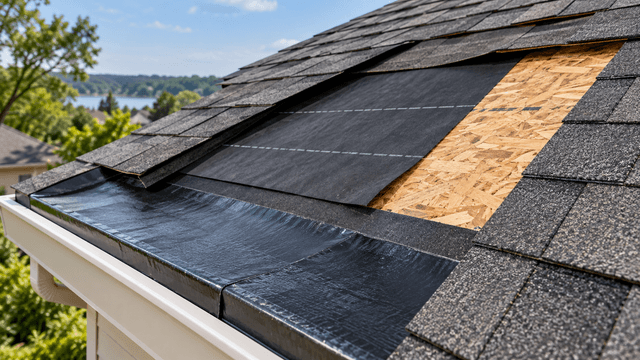
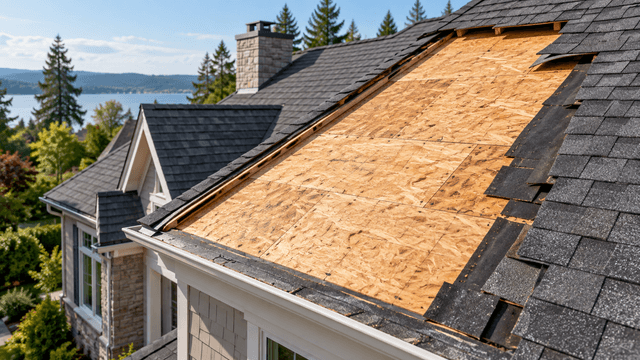
The visible covering is only one layer. A durable roof also depends on the roof deck, underlayment, flashing, ventilation, fasteners, drip edge, penetrations, gutters, and installation details. A weakness in one component can allow water to bypass otherwise serviceable shingles.
- Roof deck: The structural surface must be sound and able to hold fasteners properly.
- Underlayment: This provides a secondary water-shedding layer beneath the roof covering.
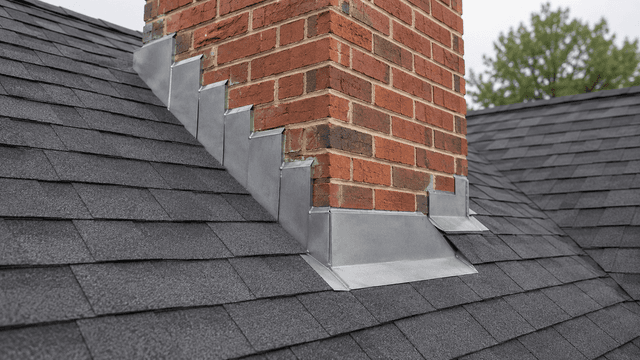
- Flashing: Metal or other approved materials protect transitions, walls, chimneys, valleys, and penetrations. See our guide to roof flashing.
- Ventilation: Balanced intake and exhaust help manage attic heat and moisture. Review the signs of roof ventilation problems.
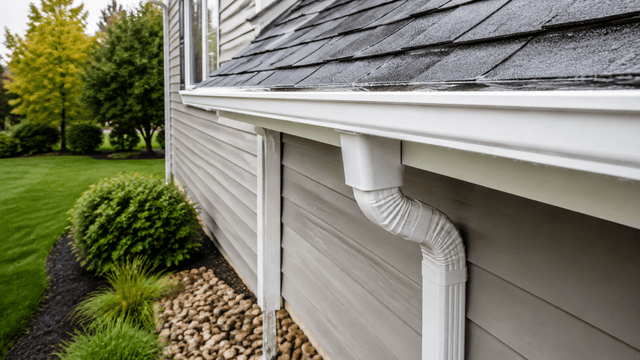
- Drainage: Gutters, downspouts, valleys, and slope direct water away from vulnerable areas.
Can maintenance help a roof last longer?
Maintenance cannot reverse normal aging, but it can help identify and correct manageable problems before they spread. The National Roofing Contractors Association emphasizes regular roof inspection and maintenance after proper installation. A practical plan includes keeping drainage paths clear, watching for changes after storms, addressing flashing or sealant failures, and investigating interior stains promptly.
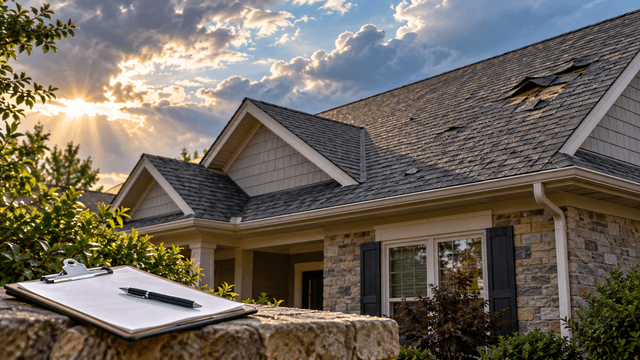
Avoid walking on the roof yourself. Roofing surfaces can be slippery, and foot traffic can damage certain materials. A professional roof inspection can evaluate exterior and accessible interior conditions without asking you to take that risk.
Signs age may be turning into a condition problem
Age becomes more meaningful when it appears alongside physical evidence. Arrange an inspection if you notice:
- Missing, lifted, cracked, curling, or visibly damaged shingles
- Widespread granule accumulation or exposed shingle substrate
- Damaged, loose, or corroded flashing
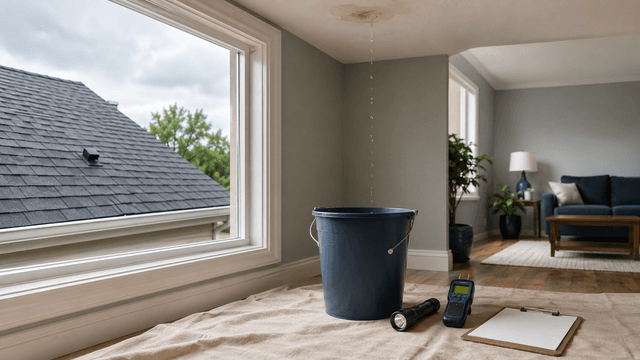
- Water stains, damp insulation, musty odors, or visible attic moisture
- A sagging roofline or soft areas reported by a professional
- Recurring leaks or repairs in multiple roof areas
One symptom does not automatically mean the entire roof must be replaced. The location, severity, extent, and underlying cause matter. Our guide to the signs you may need a new roof explains what to watch for.
How to estimate the age of an existing roof
If you did not own the home when the roof was installed, start with documents rather than appearance alone:
- Review the seller's disclosure, inspection report, and closing records.
- Look for invoices, contracts, warranty documents, or product labels.
- Ask the previous owner or property manager about replacement and repair history.
- Check whether your local building department has permit records.
- Have a roofer estimate age and condition, understanding that visual dating is approximate.
Does the warranty tell you how long the roof will last?
No. Warranty terms and expected service life are related but different concepts. A warranty is a contract defining covered products or workmanship, exclusions, time periods, claim requirements, and remedies. It does not promise that every roof will remain problem-free for the full stated term, and it may not cover installation errors, storm damage, maintenance issues, or consequential damage.
Read both the manufacturer's warranty and the contractor's workmanship coverage. Keep installation records, follow care requirements, and understand whether registration or transfer rules apply. Trinity Total Home customers can review the available roofing warranty information for their project.
When to plan instead of waiting for a leak
A leak is not the first or only signal of roof deterioration. If the roof is older, its history is unclear, or several condition concerns appear at once, an inspection can help you budget and compare options before an urgent failure. Planning ahead gives you more time to review scope, materials, warranty terms, ventilation improvements, and the roof replacement timeline.
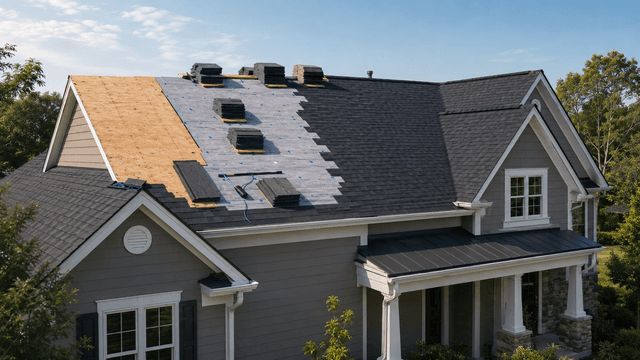
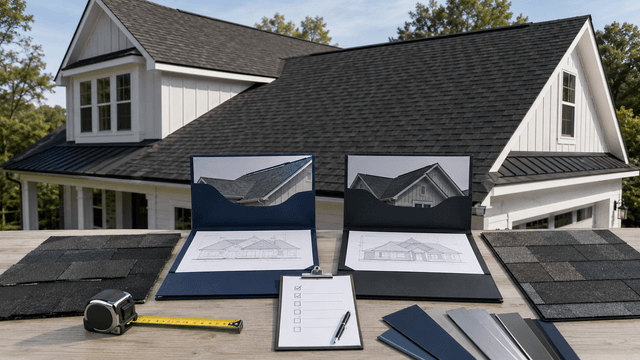
When replacement is appropriate, the written proposal should explain the roof system—not only the shingles. Ask what happens to existing material, damaged decking, underlayment, flashing, ventilation, penetrations, cleanup, and unforeseen conditions. Explore Trinity Total Home's roof replacement services to understand the next step.
The bottom line
Roof lifespan is roof-specific. Material and climate matter, but installation, ventilation, moisture control, flashing, drainage, storms, and maintenance can be just as important. Use age to plan and condition to decide. When the two raise questions, a professional inspection provides a better basis for action than a generic lifespan number.