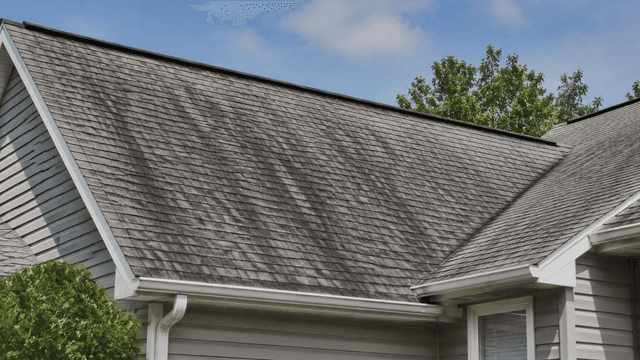
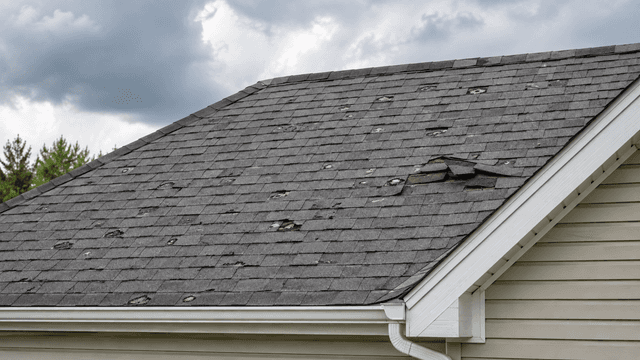
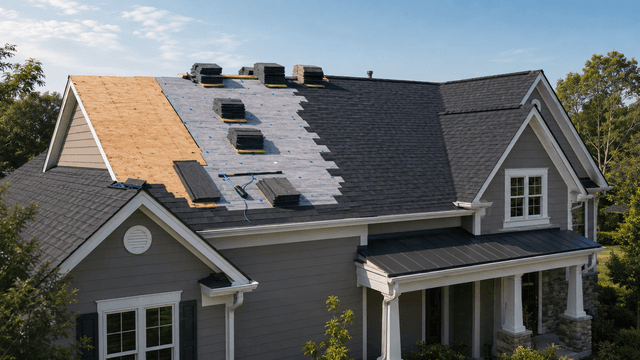
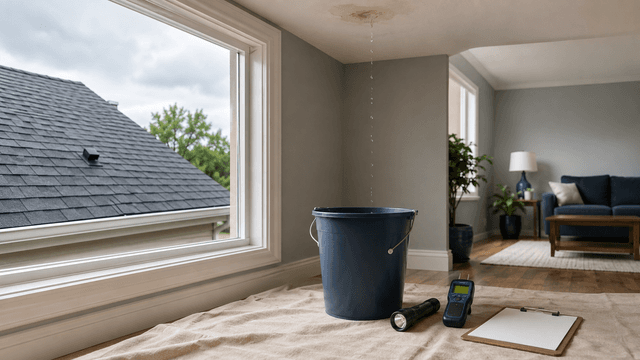
A roof's age is useful when it helps answer a practical question: should the household keep maintaining it, investigate a specific concern or start budgeting for replacement? A regional average cannot make that decision. The useful evidence is attached to the actual roof, including sections that may have been replaced at different times.
Start with the material and installation record
GAF's residential roofing guidance gives a broad 20-to-30-year range for asphalt shingles and explains that weather, installation and maintenance affect lifespan. Use that range to begin planning, not to calculate a guaranteed expiration date. It does not establish that a roof below the range is sound or that one above it automatically needs replacement.
Find the installation invoice, product name, warranty paperwork and prior inspection reports. If those records are unavailable, ask the contractor how confidently the age and material can be identified. Keep an estimated age labeled as an estimate, especially when buying or selling the home.
Section takeaway: Verify the material and installation history before using an age estimate.
Assess the home's exposure rather than assigning a coastal penalty
Long Island's location makes storm exposure relevant, but an island-wide label does not describe every property. A sheltered roof in Ronkonkoma and an open waterfront roof should not receive identical remaining-life estimates simply because both are on Long Island.
During the assessment, discuss which slopes are exposed, whether branches overhang the roof and where debris collects. Ask the professional to distinguish observed deterioration from a possible future risk. Do not accept an unexplained claim that coastal weather subtracts a fixed number of years from every roof.
The National Weather Service describes nor'easters as coastal storms that can bring strong winds and rain or snow. That supports preparing for storms; it does not provide a service-life calculation for a particular home. A roof's response to past events is more useful than a blanket prediction.
Section takeaway: Describe the actual exposure rather than assign a regional lifespan penalty.
Separate a limited problem from a wider pattern
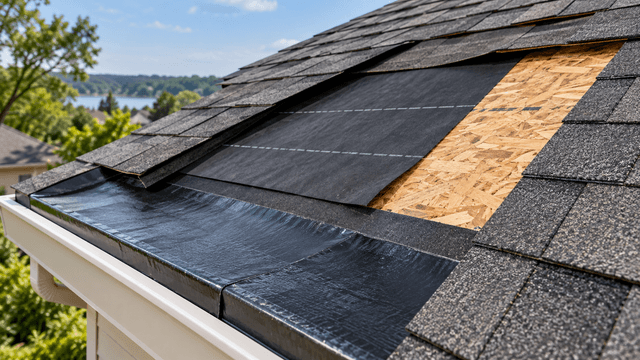
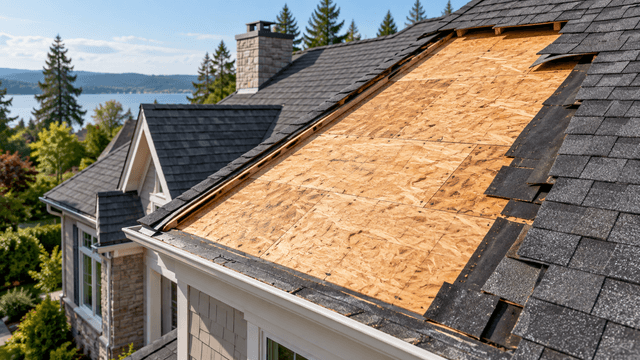
One repair invoice does not tell the whole story. Ask where repairs were made, what caused the problem and whether the same area has needed attention again. Several unrelated repairs should also be documented so the contractor can assess whether they reflect isolated issues or broader deterioration.
Bring dated interior photos and describe when stains or leaks appeared. A stain is evidence to investigate, not proof of the entry point or a complete replacement scope. Keep exterior observations at ground level and leave roof access to a qualified professional.
The assessment should explain why repair, monitoring or replacement fits the findings. Request photos and a clear description of what was inspected, including any areas that could not be evaluated.
Section takeaway: Distinguish isolated repair needs from a wider pattern of deterioration.
Include the attic and roof details in the conversation
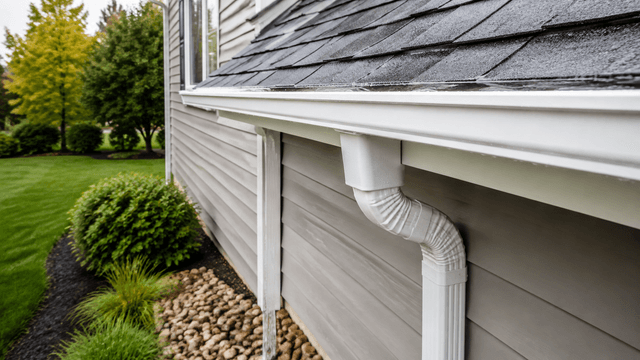
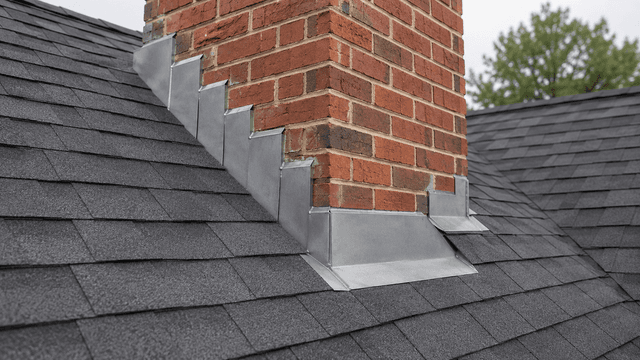
Shingles are one part of the system. Ask whether the inspection includes flashing, penetrations, drainage and relevant attic conditions. A recommendation focused only on visible shingle color or age may leave the cause of a recurring problem unresolved.
Section takeaway: Include relevant roof details and attic conditions in the review.
Keep warranty coverage separate from remaining life
IKO cautions that a shingle warranty term and the roof's lifecycle are different. Ask for the documents that apply to the installed product and clarify which terms concern manufacturing defects and which concern installation workmanship.
For planning purposes, keep three questions separate: What coverage exists? What condition is the roof in now? What work is justified by that condition? A long warranty does not answer all three, and an expired warranty does not itself define the required repair scope.
Section takeaway: Treat warranty coverage and actual roof condition as different questions.
Turn the assessment into a planning decision
Visit the Ronkonkoma roofing service page to connect the condition review with local replacement planning. Bring the installation records, repair history and the questions specific to the property to a roofing consultation.
Sources: GAF residential roofing guidance; IKO warranty and lifecycle guidance; National Weather Service coastal-storm guidance.
Section takeaway: Convert the findings into maintenance, repair or replacement next steps.