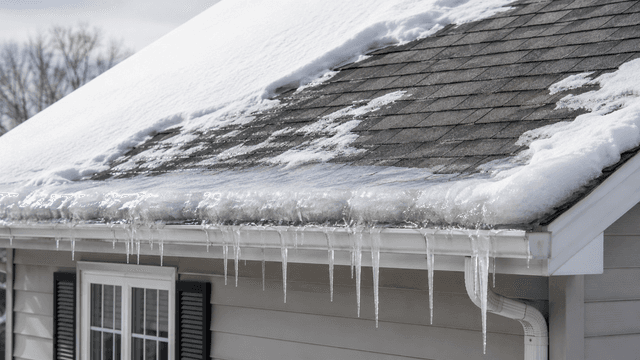
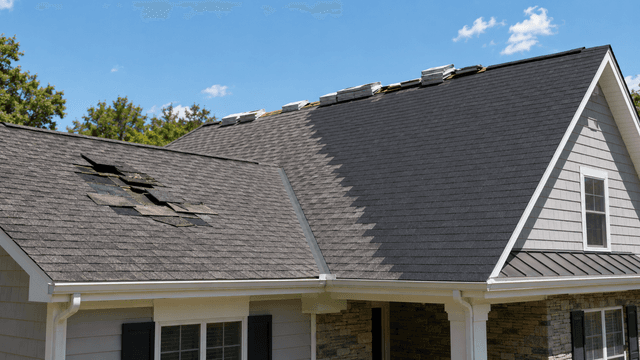
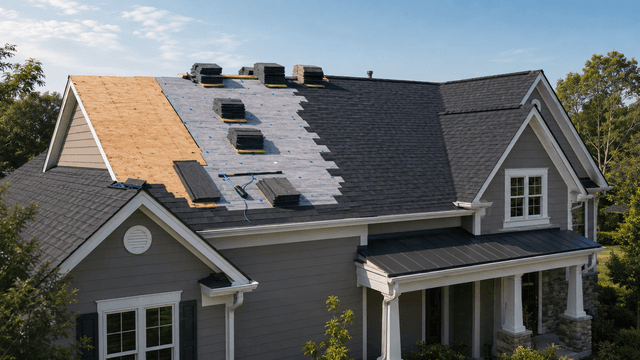
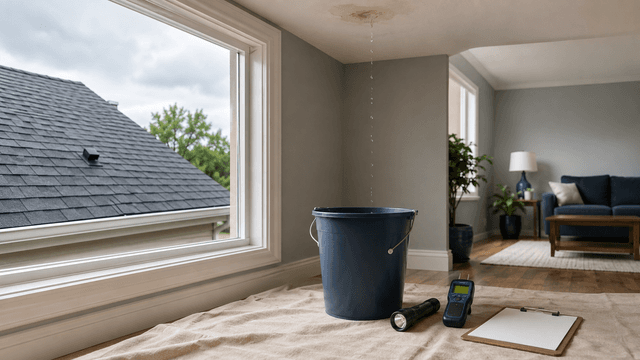
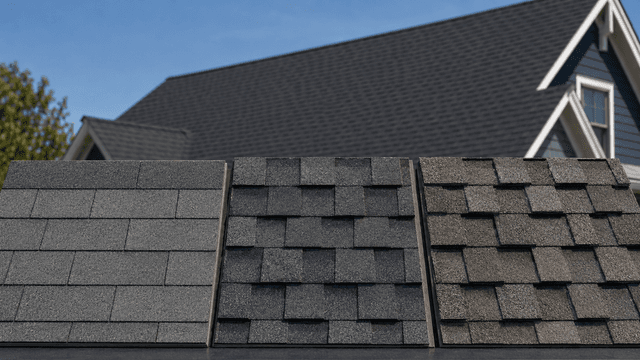
Ice at the eaves is visible. The conditions contributing to it may be less obvious. A Holyoke homeowner can make a winter assessment more useful by asking how the roof edge, attic air movement and heat transfer fit together, and by having each proposed improvement tied to a specific finding.
Understand why the roof edge can freeze
DOE explains that snow can melt above the heated part of a home and refreeze at colder eaves. As ice accumulates, meltwater may back up beneath the roof covering. This is a water-management problem as well as a clue about conditions above the living space.
Section takeaway: Document the winter sequence and the affected roof sections.
Give air sealing and insulation their own review
ENERGY STAR describes air sealing and insulation as ways to reduce heat and moisture moving from the home into the attic. Ask whether the assessment has identified relevant air paths and insulation conditions rather than jumping directly to a new vent recommendation.
Have the professional explain who will evaluate the attic and whether access limits leave questions unresolved. A roofing scope should not imply that separate air-sealing or insulation work has been completed when it has only been recommended.
Section takeaway: Give air sealing and insulation their own assessment.
Ask how the proposed ventilation will function
ENERGY STAR notes that attic ventilation can help maintain colder winter attic conditions and remove heat and moisture in warmer periods. It also advises keeping soffit ventilation paths clear. Ask how the existing intake and exhaust arrangement is intended to work for this home.
Section takeaway: Ask how the proposed intake and exhaust arrangement will function.
Connect roofing details with the attic recommendations
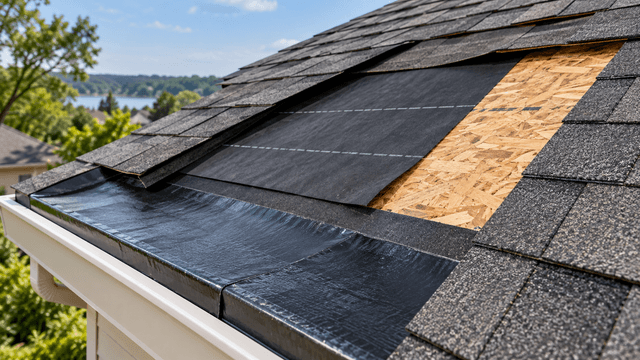
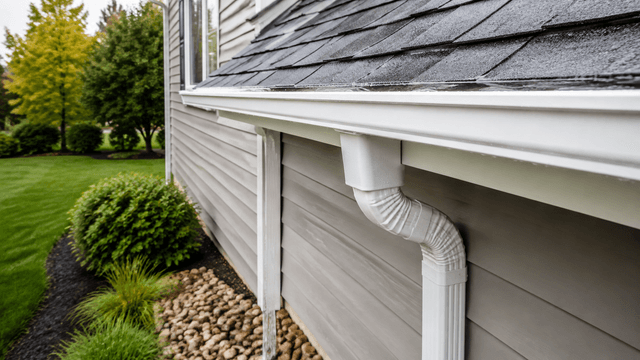
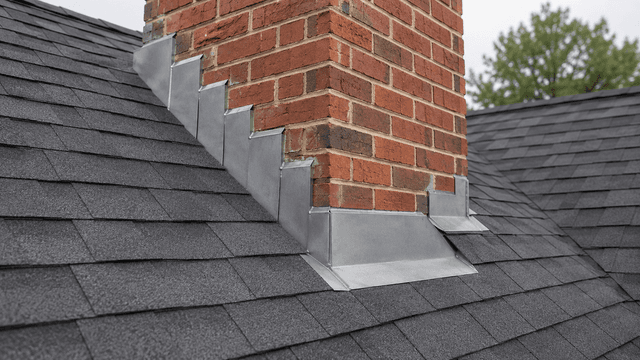
Ask which roof-edge protection, flashing or drainage findings need attention. A membrane can help limit water intrusion at the eaves, while measures that limit heat transfer address a different part of the problem. The written plan should describe the role of each.
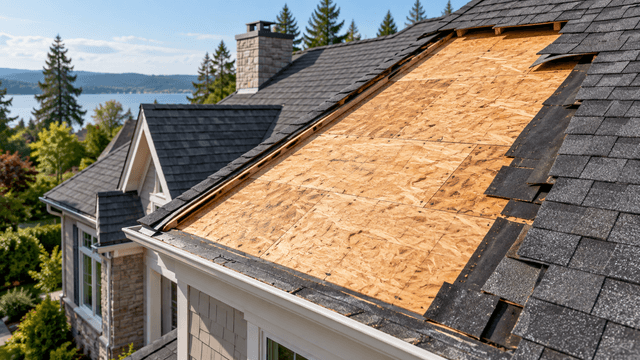
If roof replacement is proposed, identify the attic work included and the work assigned to another professional. Agree on sequencing and communication. That prevents a gap where each trade assumes someone else is addressing the recurring winter symptom.
Section takeaway: Assign roofing and attic responsibilities so relevant work is covered.
Leave with a practical winter response plan
Do not climb onto an icy roof, block vents with a temporary fix or attempt unsafe ice removal. Ask for professional help with active leaks and hazardous roof conditions. Keep observations to safe indoor and ground-level views.
Continue with the ice dams, prevention and roof damage and the Holyoke roofing service page. Bring the questions specific to the home to a roofing consultation.
Sources: U.S. Department of Energy: eaves in cold climates; ENERGY STAR: attic ventilation.
Section takeaway: Keep the findings and agree on symptoms that need follow-up.