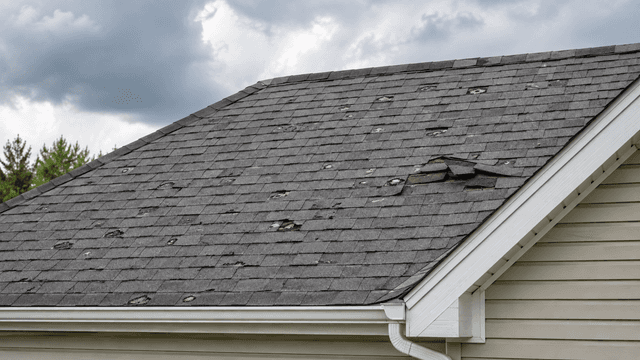
For a Holyoke homeowner, the most useful winter question is what the roof does when conditions change. A dated history of leaks, repairs and post-thaw observations gives a contractor more to work with than an age estimate alone. Use it to distinguish a repairable concern from a deteriorating system.
Build a before-and-after record
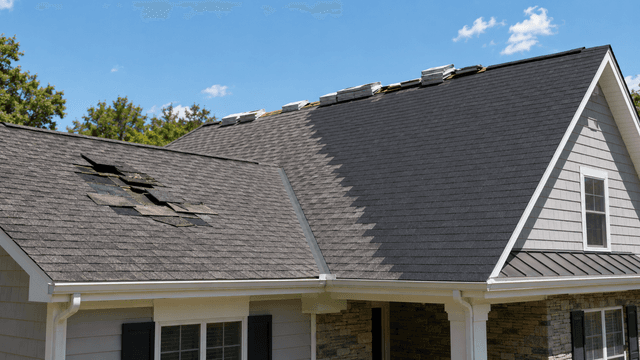
Keep installation paperwork and the dates of earlier repairs. Before winter, note concerns that can be seen safely from the ground. After conditions improve, record what changed. Identify different roof sections so a porch problem is not mistakenly treated as the condition of the main roof.
Section takeaway: Use dated records to compare the roof before and after winter.
Understand why thawing conditions matter
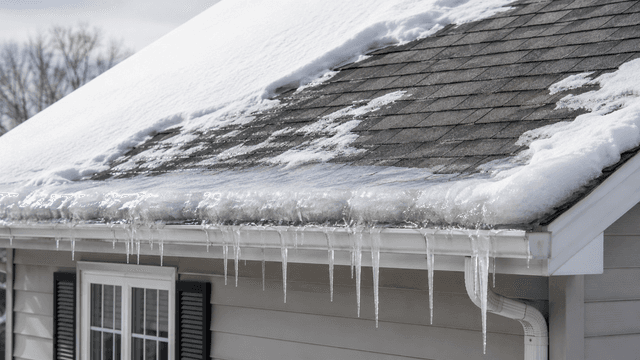
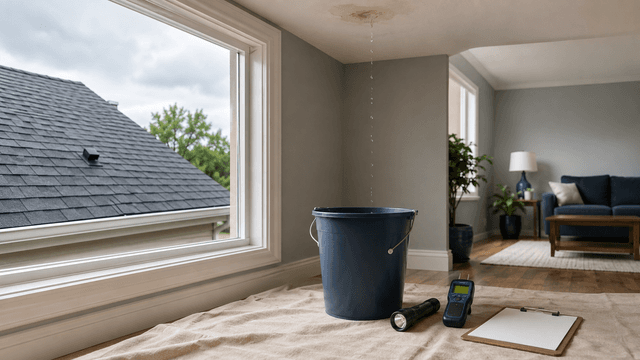
The National Weather Service explains that snowmelt can refreeze near colder roof edges, allowing an ice dam to develop. Water backing up behind the ice can enter the roof assembly. This mechanism helps explain why a winter leak may appear during a thaw.
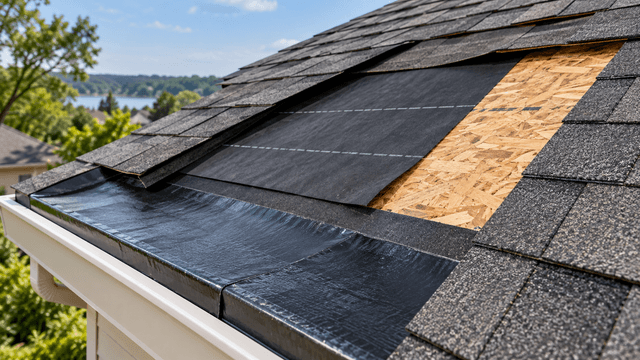
Ask the assessor to examine the relevant roof edge, water-management details and attic conditions. Replacing visible shingles alone may leave the cause of a repeated winter problem unresolved. The goal is a diagnosis that connects the observed damage with the conditions that produced it.
Section takeaway: Investigate a thaw-related water path and its contributing conditions.
Separate the roof covering from the attic system
A roof assessment and an attic assessment answer related questions. Discuss whether the home has recurring moisture, uneven snowmelt or a history of ice at the eaves. Ask which professional should evaluate each concern and which findings require further investigation.
Section takeaway: Identify which roofing and attic work is included.
Use repeated findings to guide the next decision
Ask what a recommended repair is expected to address and what condition remains outside that repair. If the same location has needed work repeatedly, provide those records. If several areas are affected, ask whether the pattern points to a broader issue.
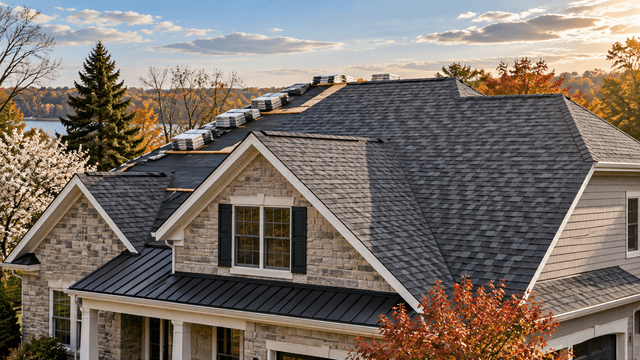
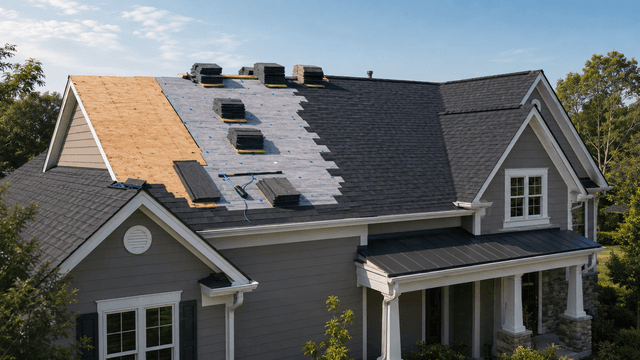
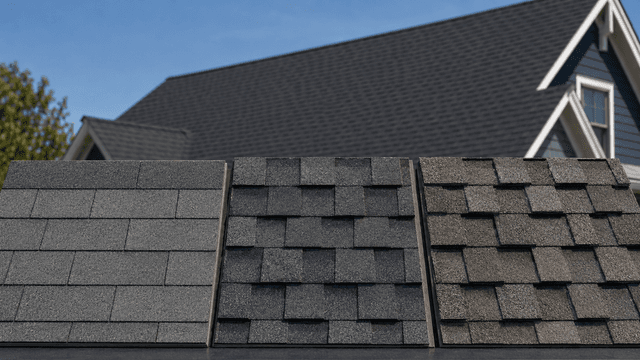
For replacement, request the evidence behind the scope and an explanation of the alternatives considered. A specific roof age or one difficult winter is not a complete assessment. A written condition record makes it easier to understand why replacement is being recommended now.
Section takeaway: Use repeated findings to evaluate the next repair or replacement decision.
Plan a workable review and repair window
Do not climb onto a snowy or icy roof to collect evidence. Arrange professional evaluation when the work can be performed safely, and ask about prompt attention if an active leak is occurring. Keep people away from any apparent structural hazard.
Continue with the related Learning Center guide and the Holyoke roofing service page. Bring the questions specific to the home to a roofing consultation.
Sources: National Weather Service ice-dam guidance; IKO warranty and lifecycle guidance.
Section takeaway: Arrange safe assessment and a clear follow-up action.