The word “leak” describes what a homeowner sees, but it does not always explain what happened. For a Connecticut household, a useful assessment begins with the sequence: what the weather was doing, where moisture became visible and whether the same symptom occurred before. That history helps the professional test the right explanation.
Separate the symptom from the cause
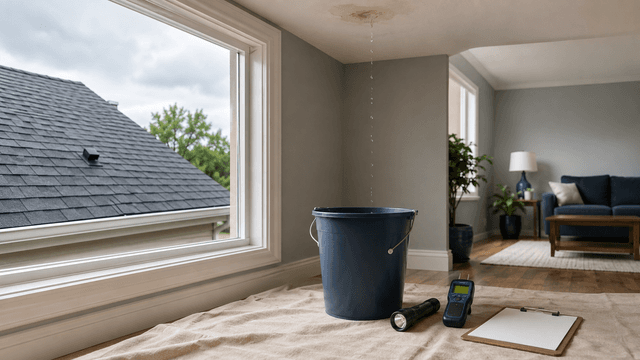
Record the room or attic area, the date and whether moisture appeared during rain, a thaw after snow or another period. Include any earlier repair and whether it changed the symptom. Use safe photographs to document a stain’s extent over time.
Section takeaway: A visible wet area identifies a symptom; investigate its source.
Recognize the ice-dam pathway
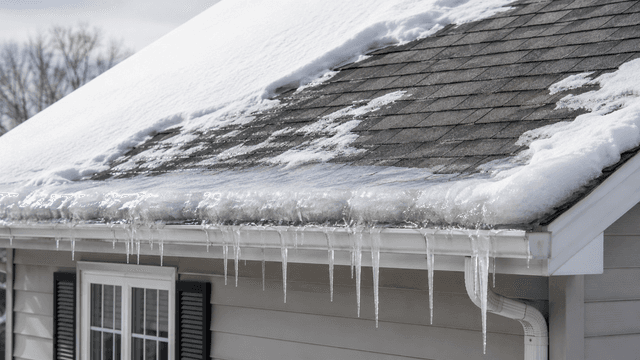
DOE describes how snowmelt can refreeze at colder eaves and allow water to back up beneath the covering. A leak during thawing conditions may therefore need attention to the roof edge and to heat transfer from the home.
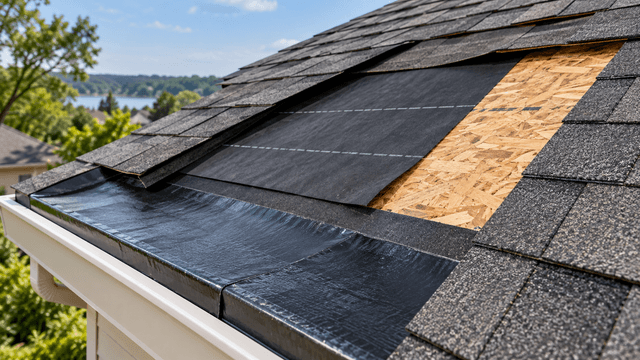
Ask whether air sealing, insulation and ventilation need review alongside the roof details. A new patch at the stain’s assumed exterior location may not address the contributing conditions. Roof-edge protection and attic improvements should have their purposes explained separately.
Section takeaway: Include the roof edge and attic conditions in a thaw-related investigation.
Include moisture movement into the attic
ENERGY STAR connects air sealing and insulation with reducing heat and moisture movement from living areas into the attic. It also describes ventilation’s role in removing heat and moisture. Those relationships are reasons to assess the attic, not proof of a particular cause in every home.
Section takeaway: Separate an identified roof opening from unresolved attic moisture questions.
Build a scope around the findings
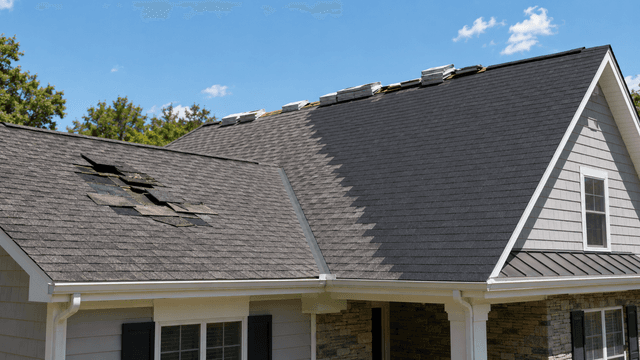
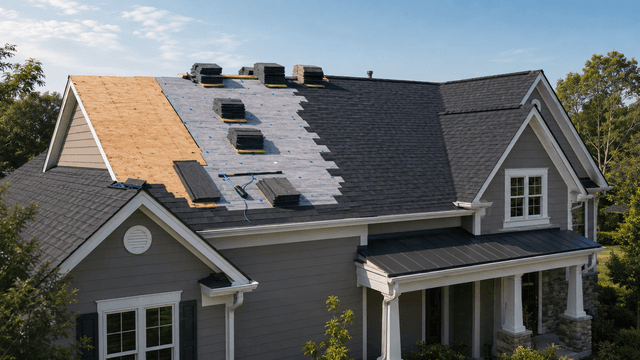
For a localized roof defect, ask what the repair addresses and how the surrounding assembly affects it. For recurring water, provide the complete repair history. If replacement is recommended, ask why a smaller repair would not be the preferred response.
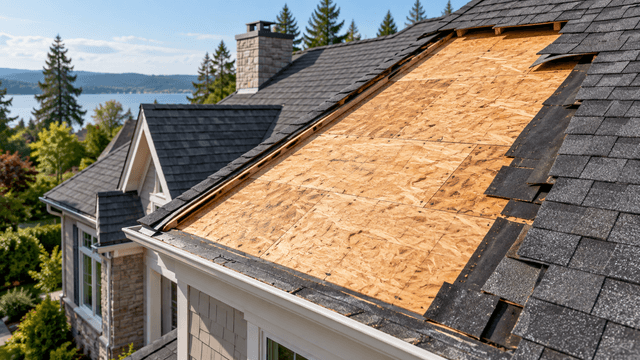
Have roofing details, attic work and work by others identified in writing. Include how concealed damage will be photographed and approved before additional work proceeds. A useful proposal makes the boundary of each intervention clear enough to review later.
Section takeaway: Connect each proposed intervention with a documented finding.
Plan the immediate response and follow-up
Arrange prompt professional attention for active water entry. Avoid snowy roof access and unsafe ladder work. If water or apparent damage makes an area unsafe, keep people away and obtain appropriate assistance.
Continue with the what to do when a roof leaks and the Cheshire roofing service page. Bring the questions specific to the home to a roofing consultation.
Sources: U.S. Department of Energy: eaves in cold climates; ENERGY STAR: attic ventilation.
Section takeaway: Agree on the immediate action and the follow-up.