Quick answer
The best time to replace a roof is when the roof needs replacement and a qualified contractor can install the specified system in suitable conditions. Spring and fall often offer moderate temperatures, but scheduling demand, rain, wind, heat, snow and product requirements matter more than the season’s name. A leaking or unsafe roof should not wait for an ideal month.
Homeowners often look for one “roofing season,” but real installation windows are local and project-specific. Asphalt shingles can be installed during different seasons when the crew follows manufacturer instructions and adjusts handling, sealing and safety practices to the conditions.
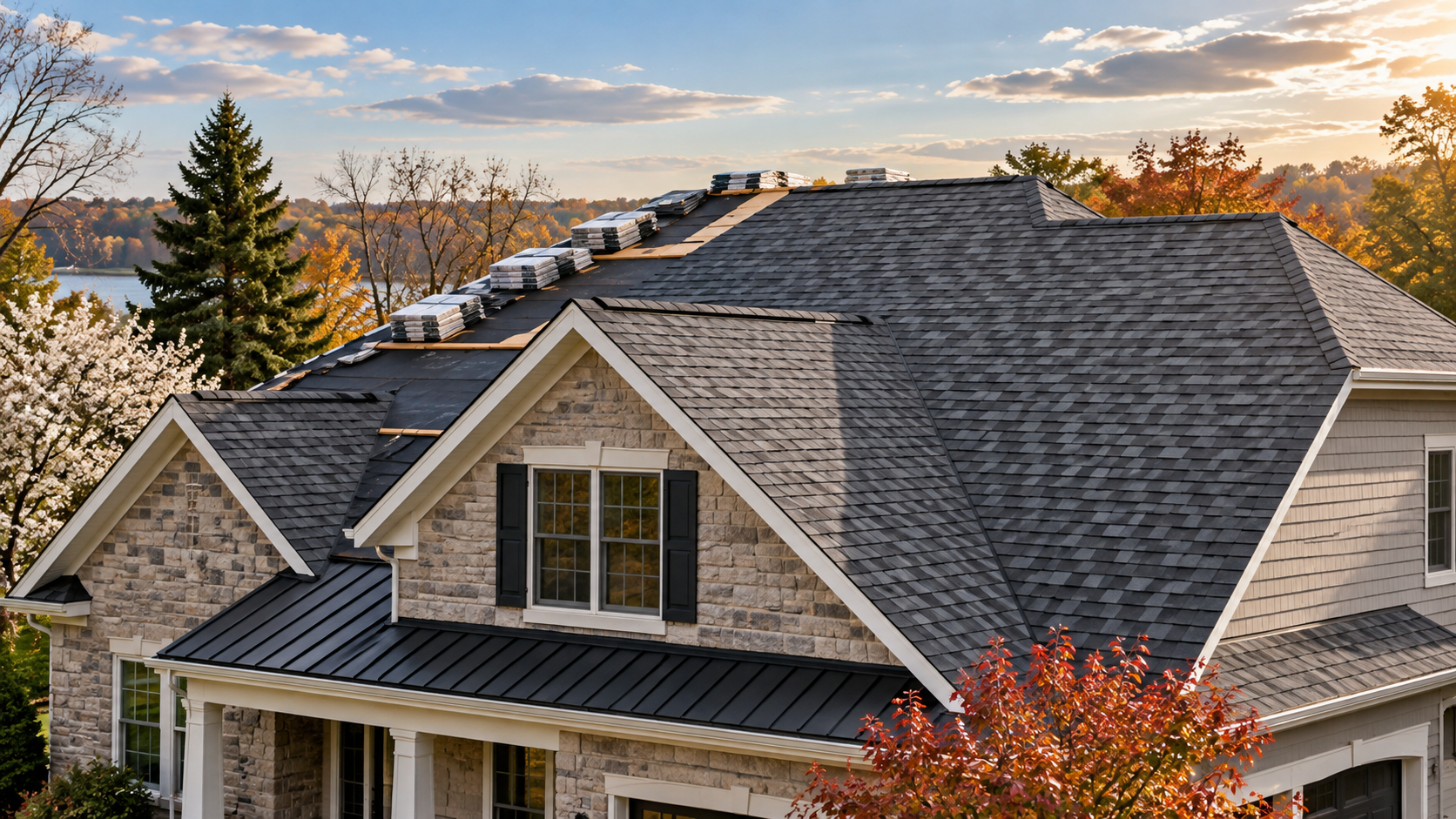
Season-by-season planning
| Season | Potential advantages | Planning considerations |
|---|---|---|
| Spring | Moderate periods and early correction of winter damage. | Rain and changing forecasts can interrupt scheduling. |
| Summer | Long daylight and many workable days. | Extreme heat affects crew safety, material handling and work hours. |
| Fall | Often moderate conditions before winter. | High demand can limit dates; storms and falling temperatures still matter. |
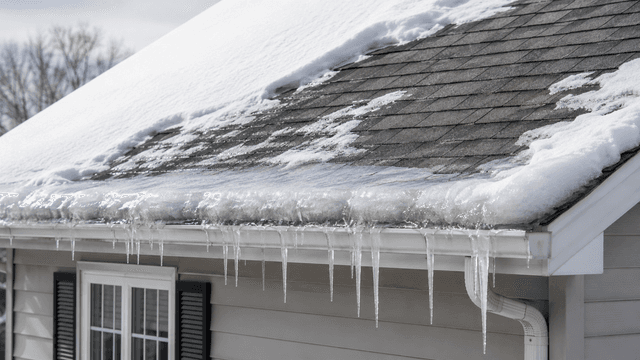
| Winter | May address urgent needs instead of delaying months. | Cold materials, snow, ice, shorter daylight and sealing requirements need special care. |
Can asphalt shingles be installed in cold weather?
Yes, but cold-weather installation requires additional precautions. IKO notes that asphalt shingles become more brittle at lower temperatures and may take longer to seal. Materials may need warm storage and careful handling, while shingles may require hand sealing as directed by the applicable installation instructions.
The contractor should evaluate the actual air and surface conditions, product requirements, wind, moisture and crew safety—not rely on one generic temperature rule.
Can a roof be replaced during hot weather?
Hot conditions can also affect the project. Roof surfaces may become much hotter than the reported air temperature. Crews may adjust start times, staging and breaks to manage heat exposure, and they must avoid damaging warm shingles through careless foot traffic or handling.
Why dry conditions matter
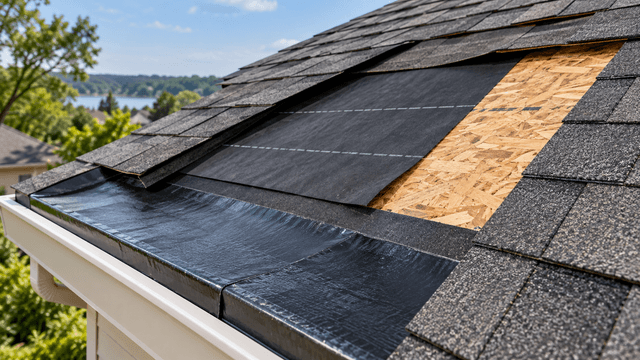
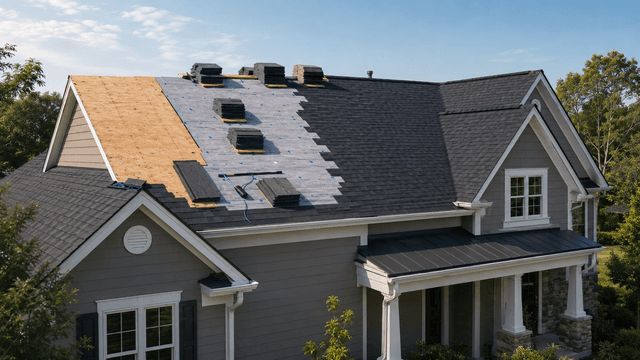
Roofing should be installed over a suitable, dry substrate. Rain, snow, ice and condensation can affect safety and installation quality. A responsible contractor monitors the forecast, limits how much roof is exposed and reschedules when the conditions do not support safe, correct work.
A weather delay is frustrating, but protecting the open roof and following product requirements matter more than preserving one calendar date. The roof replacement timeline explains other scheduling variables.
Do not wait for the “perfect” season when the roof is failing
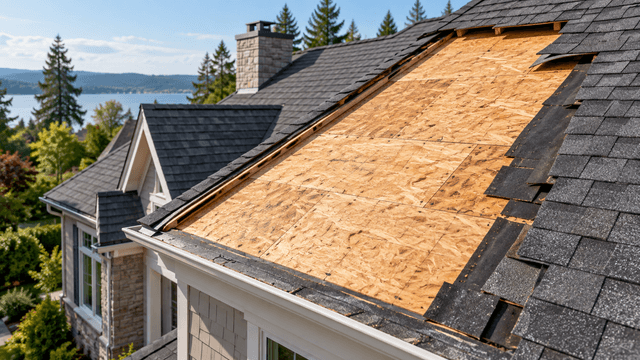
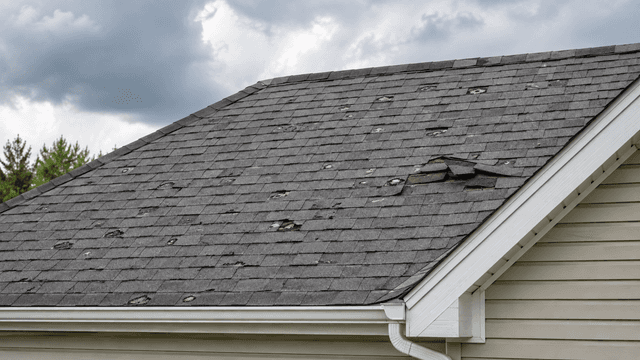
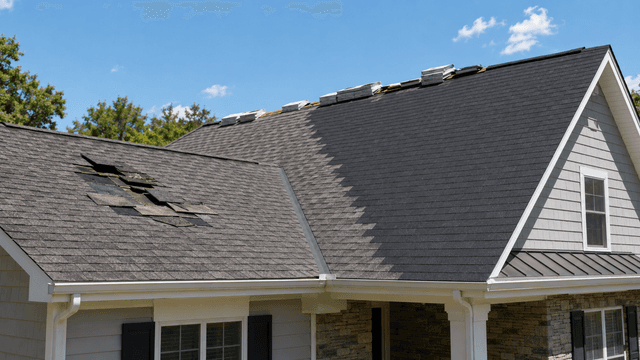
Active leakage, widespread deterioration, storm damage or structural concerns can become more expensive when delayed. Temporary measures may reduce immediate water entry, but they do not restore a failed roof system. Have the condition assessed and ask whether the project can be completed safely now or needs a documented temporary plan.
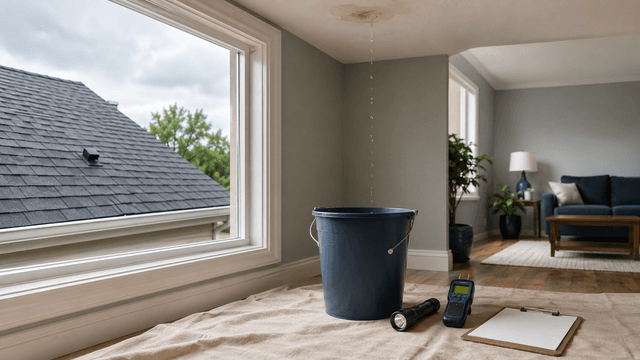
If water is entering the home, follow Trinity’s roof-leak safety and documentation steps. For uncertain replacement decisions, review roof repair versus replacement.
Questions to ask about scheduling
- What conditions would delay installation?
- How will the home be protected if weather changes during tear-off?
- How are shingles stored and handled in hot or cold weather?
- Does the selected product require special cold-weather sealing?
- Who communicates a cancellation or new date?
- How much of the roof will be opened at one time?
- Could seasonal demand affect material availability or the start date?
How to choose the right project window
- Start with the roof’s documented condition and urgency.
- Confirm the specified roofing system and its installation requirements.
- Ask for a realistic window rather than one guaranteed weather date.
- Understand the contractor’s weather-monitoring and rescheduling process.
- Prepare the property and household for noise, access and possible schedule changes.
The bottom line
There is no universally best month for every roof. Moderate, dry conditions are helpful, but roof condition, product requirements, local weather, contractor availability and safe installation practices determine the right window. Plan early when possible, but do not let a failing roof wait solely for a preferred season.